Ha Young's Apology Draws Likes From Her Directors, and That's Made Things Worse
Actor Ha Young issued a handwritten apology after her great-grandfather's pro-Japanese colonial-era history resurfaced. The controversy has since expanded: directors she has worked with publicly liked her apology post, and the gesture has drawn sharp criticism of its own.

Actor Ha Young apologized publicly on the 13th for boasting about a great-grandfather who, it turned out, had a documented history of collaboration during Japan's colonial occupation of Korea. The apology has not closed the story, if anything, a new chapter has opened, one in which the directors who worked with her are now drawing fire for clicking "like" on her post.
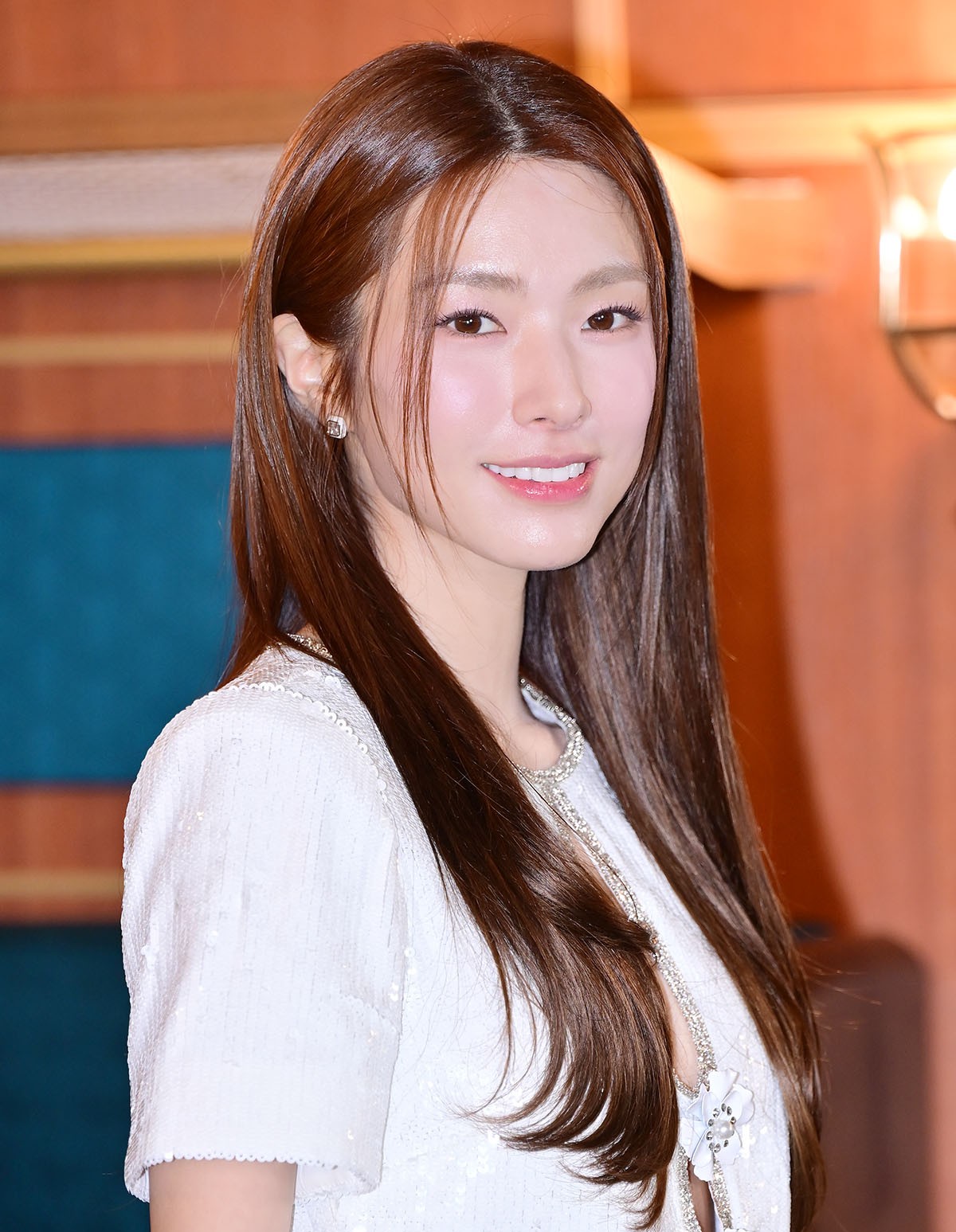
The controversy began when Ha Young appeared on the KBS2 variety program Rooftop Troublemakers and described her family with evident pride. She said her great-grandfather had been among the first physicians in Hanyang (present-day Seoul) to practice Western medicine, that he had trained in Japan before opening a clinic, and that he had treated Emperor Gojong. Viewers began looking up the name shortly after the episode aired. They found An Sang-ho.
An Sang-ho's record from the colonial period is layered and, in places, contested. What is documented: he appeared in a December 1918 interview in the Maeil Sinbo, the official newspaper of the Japanese Government-General, as a model case of "Japanese-Korean assimilation." He is also listed among the councilors of the Daejung Chinmokwoe, an organization classified as a pro-Japanese collaboration group, alongside figures such as Yun Chi-ho and Yu Byeong-pil. Records further indicate he was among the physicians who treated Yi Wan-yong, the prime minister who signed the Korea-Japan Annexation Treaty, after Yi was stabbed by independence activist Yi Jae-myeong. An Sang-ho also attended Emperor Gojong when the emperor collapsed from a cerebral hemorrhage at Deoksugung Palace's Hamnyeongjeon Hall in 1919 and was unable to save him. A subsequent rumor that An had poisoned the emperor at Japanese instigation has never been substantiated and should be treated as unverified.
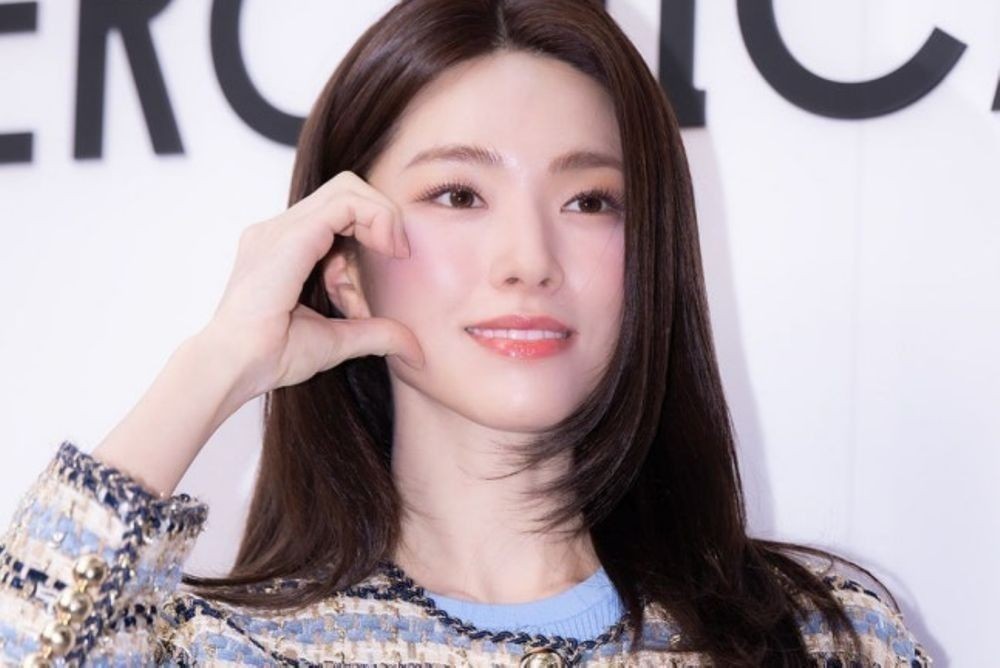
Ha Young's agency, Bisters Entertainment, made the situation considerably worse before she had a chance to address it herself. The company's initial response was to call the allegations "groundless", a position it reversed within 24 hours after confirming that records of An Sang-ho's membership in the Daejung Chinmokwoe did in fact exist. "We sincerely apologize for causing confusion by responding hastily without sufficient verification," the agency said in its corrected statement.
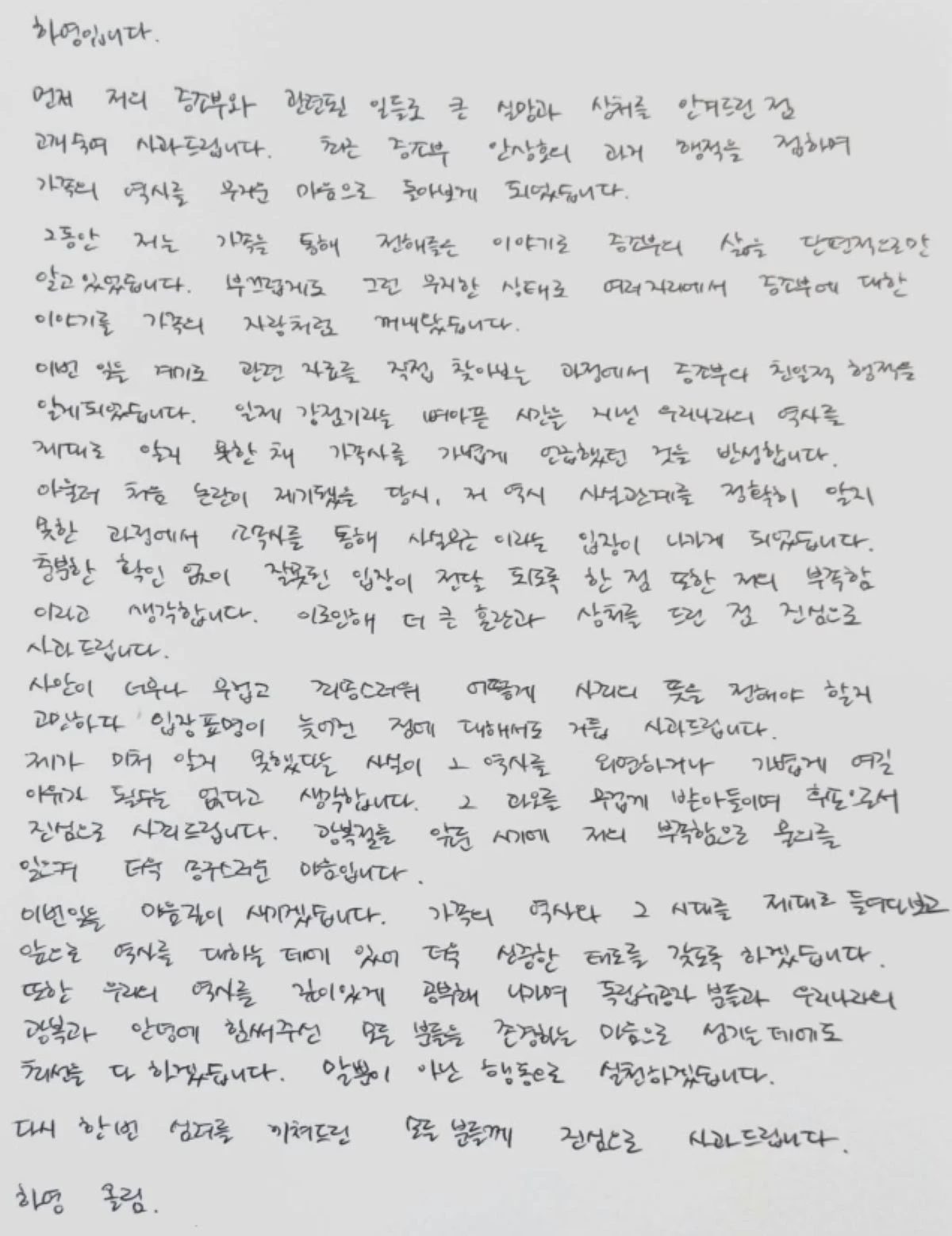
Ha Young then posted her own apology, written by hand and shared to her personal social media account. She wrote that she had known her great-grandfather's life only in fragments, passed down through family stories, and that she was ashamed to have spoken of him as a point of family pride without understanding the history of the Japanese occupation. She said she would study that history more carefully and pledged to honor the memory of independence movement figures. With Liberation Day (August 15) approaching, the timing of the controversy lent it additional weight in public discourse.
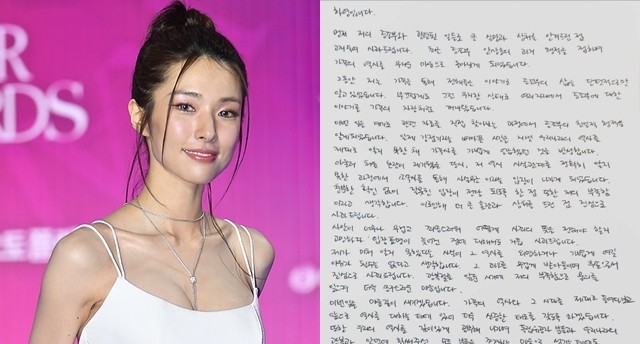
The handwritten post did not quiet the response. Some commenters argued that Ha Young bore no personal guilt for her great-grandfather's actions and that holding descendants responsible was a form of collective punishment. But the louder current of criticism focused on something more specific: that she had bragged about the man on a television program, not merely mentioned him. That distinction has kept the online response active even after her apology.
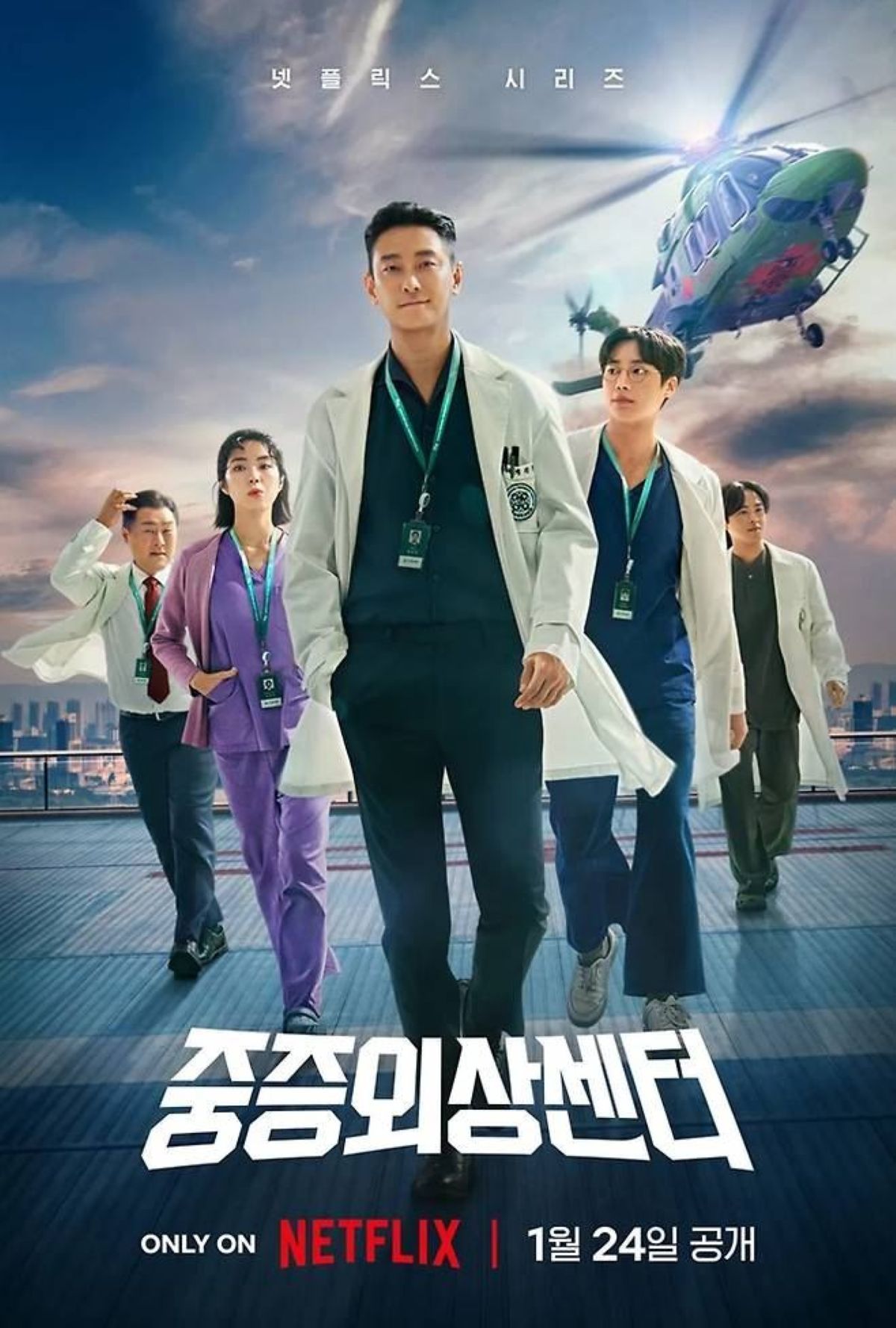
What then shifted the story's center of gravity was a small gesture from two directors. Lee Do-yoon, who directed Ha Young in the Netflix medical series Trauma Center (she plays Cheon Jang-mi), and Hong Jong-chan, director of Chamgyoyuk (True Education), in which Ha Young played Choi Ga-yun, both liked her apology post. The staff of her upcoming SBS drama Seungsan Issseumnida were reported to have done the same.
For many observers, the platform where the like was registered mattered as much as the gesture itself. A private message of support would have been invisible; a public like on a contested post is, by the logic of social media, a visible endorsement. Critics argued the directors were, in effect, signaling support in a space where anyone could see it, on a controversy touching one of the most sensitive fault lines in Korean public memory. "It's no different from publicly endorsing a family that collaborated with the occupation," one widely shared comment read.
Others pushed back, noting that the directors were simply standing by a colleague who had already apologized, and suggesting the likes reflected professional loyalty rather than any historical position. A smaller number speculated the support was pragmatic, Trauma Center Season 2 is in positive development discussions, and Ha Young is expected to appear in it.
SBS, the broadcaster behind Seungsan Issseumnida, said it was "watching the situation carefully." The phrasing is a familiar kind of institutional non-statement, but it signals that the production is not treating the controversy as resolved. How the broadcaster ultimately handles Ha Young's role will be one of the more concrete indicators of where things settle.
The broader pattern here is one Korean entertainment has navigated before: a controversy rooted in colonial history tends to move more slowly and carry more staying power than a typical celebrity scandal, particularly when it surfaces close to Liberation Day. Ha Young's agency stumbled badly in its first response, and the public likes from her directors arrived before the public mood had stabilized. Whether those likes were acts of solidarity or miscalculation, they gave a story that might have faded new material to run on.
Trending Now
- 1
T.O.P and Nana Have Been Dating for 5 Months After His Music Video Shoot
K-Pop · October 2, 2026
- 2
Kwon Mina Claims She Was Sedated: '11 Years Is Different From One Incident'
K-Pop · September 27, 2026
- 3
Yoo Seung-jun Posts Wife's Photo and Apology After 22 Years
K-Pop · September 26, 2026
- 4
Where to Actually Buy Korean Fashion Online
K-Fashion · August 24, 2026
- 5
Lee Changseob Built a Likable Image for Years: One Episode Dented It
K-Pop · September 27, 2026
More from Soo Park
AI-Voiced Song Reaches Melon Top 20, Competing Alongside IU and Top K-Pop Acts
K-Pop · October 2, 2026
Anna From MISAMO Called the Best-Looking Celebrity in Getty Images
K-Fashion · October 2, 2026
Choi Jun-hee Marks 18 Years Without Her Mother With a Childhood Memory
Culture · October 2, 2026
End of story. The omonar! Desk.
Don’t hear it from the group chat.
Comebacks, castings and chaos, filed by the desk.
Weekly · Free · Leave whenever