After 15 Years as a Romantic Lead, Lee Min-ho Chooses a Quieter Role
Lee Min-ho plays a restrained, supporting-role journalist in Assassin(s), opening September 23, deliberately moving against the image he built through a decade of hit romantic dramas. Co-stars Yoo Hae-jin and Park Hae-il praised him for shedding his star persona entirely on set.

Lee Min-ho's role in Assassin(s), which opens September 23, is not the one audiences might expect from him. He plays Yeong-il, a junior reporter at a social affairs desk who happens to come from a wealthy family, a setup that sounds, on paper, like comfortable territory for an actor whose name became synonymous with the charismatic romantic lead. What actually appears on screen is something quieter and more considered than that framing suggests.
The film reconstructs the events surrounding the August 15, 1974 assassination of First Lady Yuk Young-soo, shot during a National Liberation Day ceremony in Seoul. Yeong-il is among the witnesses at the event, and after noticing discrepancies between what he saw and the official account from the investigating authorities, he works with his newsroom colleagues to establish the facts. His wealthy background comes into play as a reporting resource, but it does not define how Lee chose to play the character. The central dramatic weight of the film rests with Yoo Hae-jin and Park Hae-il in the lead roles; Lee is, by his own description, closer to a supporting player.
"I didn't want to stand out," Lee said. "I wanted to blend in cleanly, to be absorbed into the film alongside the senior actors. Yeong-il does use his background to get access when he's reporting, but I didn't want to make that look exceptional. I wanted audiences to accept the character without feeling any distance from him."
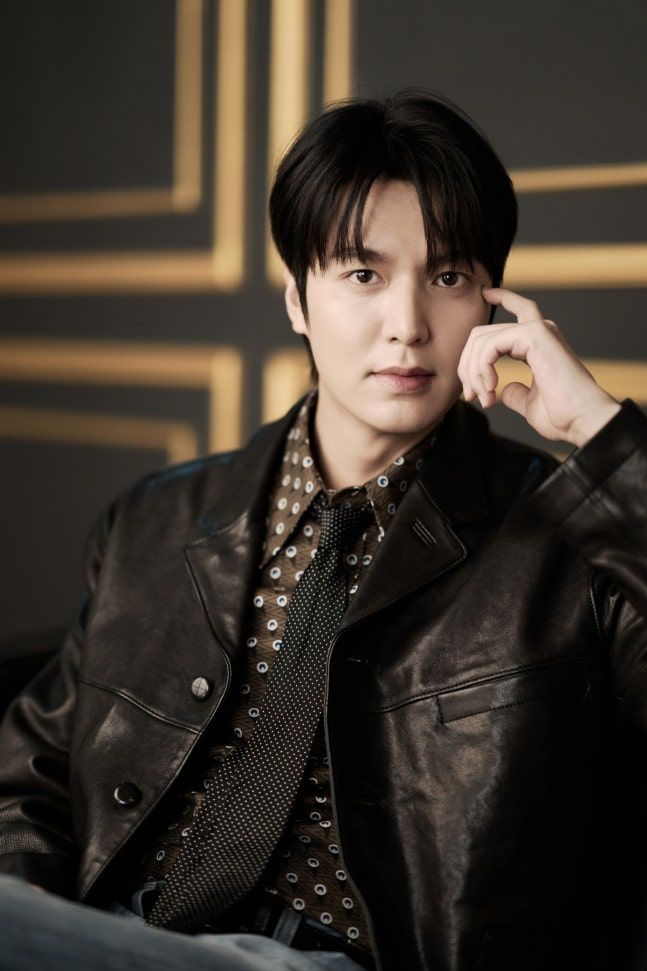
On set without a script call
On days when he wasn't shooting, Lee still came to the set to watch Park Hae-il and Yoo Hae-jin work. Park noticed and said Lee seemed to have "set everything aside" in his approach to acting. Yoo, who had previously thought of Lee primarily as a star, said the reality on set was "nothing like that at all." Lee laughed off the observation with a joke, he said he had little choice, since Park Hae-il visited the set so often that not showing up would have been conspicuous, but acknowledged the real reason.
"My screen time isn't large, so I needed to watch how the senior actors were working and understand what emotional current was running through the scenes," he said. "That way I could follow the same current when it was my turn. The set felt comfortable. There was a stability the senior actors gave off. It felt like working with family."
As for Park's remark about setting everything aside, Lee's response was characteristically direct: "I've always lived my whole life with nothing to prove." He added that people who haven't spent time with him find that hard to imagine, given the image his career has produced. "I want to live honestly as myself without worrying too much about what others think. That's the direction I'm heading."
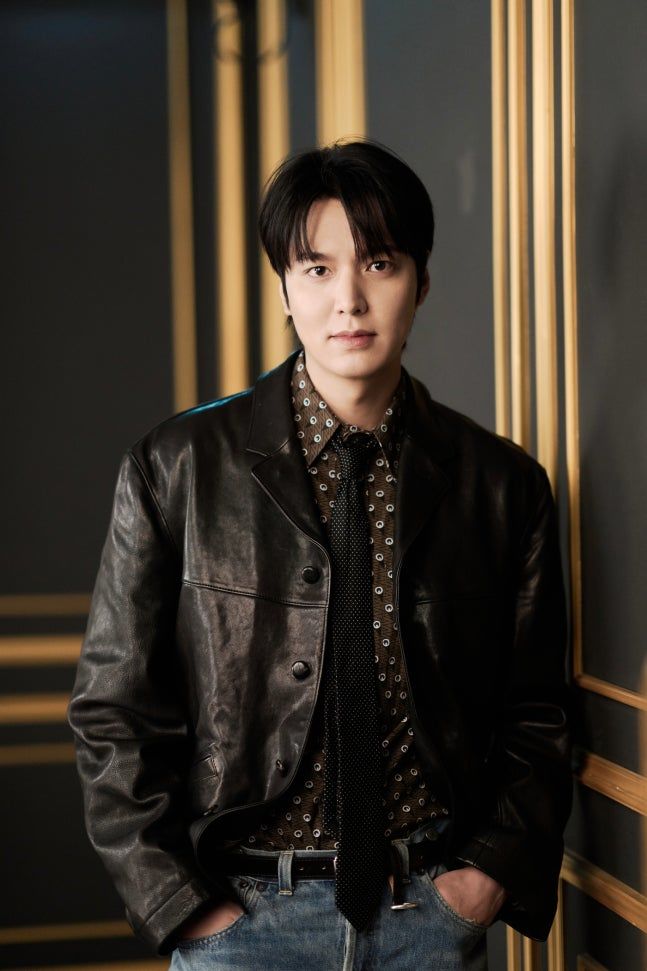
A deliberate shift, not a rejection
Lee has been working against the grain of his public image for a few years now. Taking the Apple TV+ series Pachinko, a multigenerational saga with a demanding, non-romantic arc, and appearing in a small supporting role in the 2025 film Omniscient Reader were both conscious choices that fit the same pattern. He said his basic premise for the past five years has been to avoid romantic comedies, and to prioritize stories where the ensemble narrative matters more than any single character's prominence. That is a meaningful departure for a career built on the opposite principle.
Since Boys Over Flowers in 2009, Lee Min-ho spent more than a decade as arguably the most bankable romantic lead in Korean drama, and that run is directly responsible for his continued standing as one of the country's most recognizable Hallyu figures. He does not regret any of it. "Doing those projects when I was young was the right call," he said. "I was loved through those works, there's nothing to regret. There were people back then who said a real actor shouldn't only do romance. But choosing to do that was absolutely right for where I was."
He also said he has no intention of leaving romance behind entirely, only of finding work that reflects where he is now. "I just want romance that carries the emotions appropriate to my age," he said. "Love is the most intuitive and most powerful subject there is. I still believe that." At 39, what he seems to be looking for is the space to play that subject differently, not as the leads who drove his early career, but in roles that sit more quietly inside a larger story.
More from Soo Park
Song Hye-kyo Shares Lace-and-Sequin Evening Photos Before Slowly, Intensely Debut
K-Fashion · September 17, 2026
Ahn Jae-hyun Gained 17kg and Now Does 1,000 Ab Reps a Day for One Scene
Culture · September 16, 2026
Ji Soo Takes His First Villain Role in the Philippines, 5 Years After Korea Departure
Culture · September 16, 2026
End of story. The omonar! Desk.
Don’t hear it from the group chat.
Comebacks, castings and chaos, filed by the desk.
Weekly · Free · Leave whenever