Toran-dae: The Overlooked Yukgaejang Ingredient That Helps with Blood Pressure
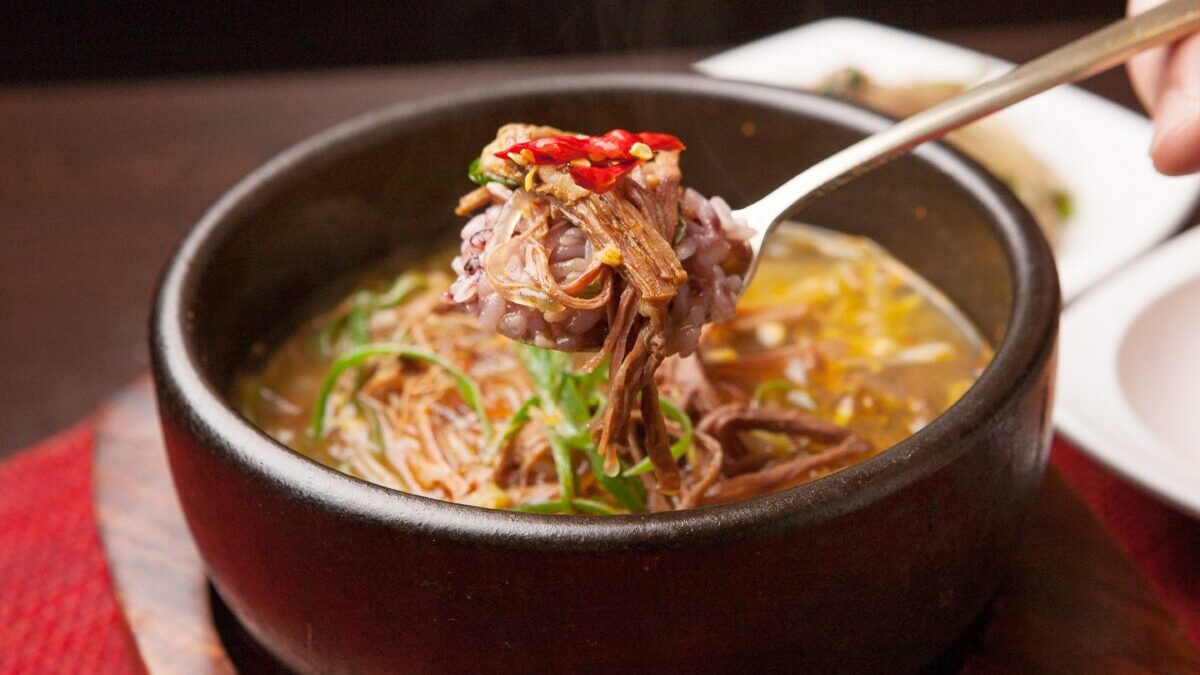
If you have ever fished a thick, brown strip out of a bowl of yukgaejang and assumed it was fernbrake, you were looking at toran-dae: dried taro stalk. The ingredient is in season right now in its fresh form, and it carries a nutritional profile that makes it worth understanding on its own terms.

If you have spooned through a bowl of yukgaejang and noticed a vegetable that looks like fernbrake but runs a little thicker and longer, you were almost certainly eating toran-dae, the dried stalk of the taro plant. The two look similar enough in a dark broth that the mix-up is almost universal, but toran-dae has its own season, its own texture, and its own set of reasons to pay attention to it.
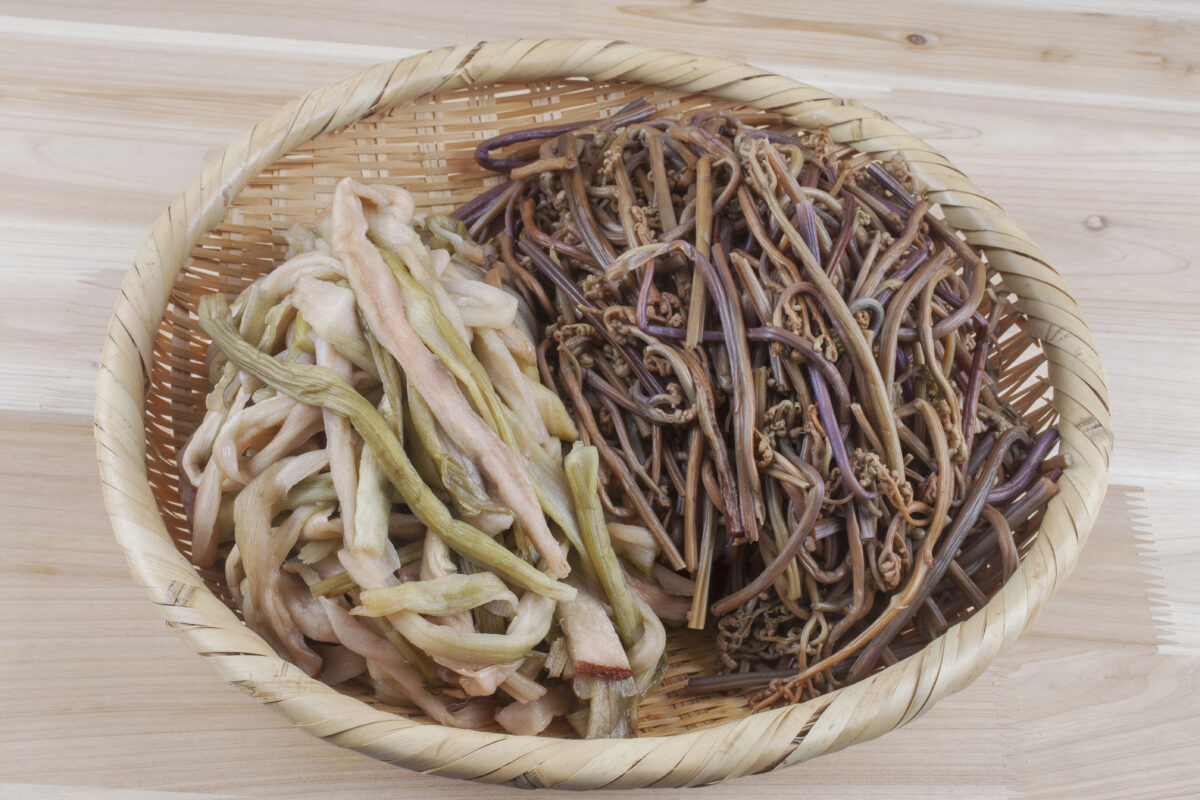
Taro itself is the round, starchy corm that goes into soups and braised dishes. The stalk, toran-dae, is the thick stem that supports the plant's broad leaves. It is sometimes called the taro petiole in botanical terms, though in everyday Korean cooking it is simply known as toran julgi (taro stem). The fresh version appears in markets from late August through September. Dried toran-dae is available year-round, and that is the form most people encounter inside a bowl of yukgaejang.
Why the nutrition profile is worth a look
Fresh toran-dae is mostly water: around 94.6g per 100g, according to data from the Rural Development Administration's National Standard Food Composition database. That works out to roughly 16 kcal per 100g, which makes it one of the lower-calorie vegetables you can add to a meal without giving up volume. For anyone keeping an eye on portion density, it holds up as a side dish.
The potassium content is the detail worth noting. Fresh toran-dae contains 430mg of potassium per 100g, which is 12 percent of the recommended daily intake of 3,500mg. Potassium assists the body in excreting excess sodium, which in turn supports normal blood pressure. The caveat: when toran-dae goes into yukgaejang or any other broth-based dish, the salt and soy sauce in the liquid can offset that benefit considerably. If blood pressure is a concern, the practical move is to eat the solids and leave most of the broth.
Fresh versus dried: two different vegetables in practice
Fresh toran-dae has a pale green color and a snappy, crisp bite once it is peeled and blanched. The dried version turns brown and firms up significantly, but after soaking and simmering it softens again and absorbs broth and seasoning well. That second quality is why it belongs in long-cooked dishes like yukgaejang rather than quick stir-fries.
For stir-fried banchan where you want a clean, crunchy texture, fresh toran-dae is the right choice. For soups and stews that simmer for any length of time, the dried stalk works better because it holds its structure. When picking fresh toran-dae at the market, look for stalks with consistent thickness, a clean surface, and a slight give when you press them. Stalks that feel completely rigid or already dry will be tough even after proper preparation.
The preparation step you cannot skip
Raw toran-dae contains calcium oxalate crystals, the same needle-like compounds found in raw taro corm. Eating it without proper cooking produces a sharp, prickling sensation in the mouth and throat. The sap released during peeling can also irritate skin, so gloves are worth using.
For fresh toran-dae, peel the outer fibrous layer, then boil thoroughly. Dried toran-dae should be soaked in water for at least two hours before boiling. In both cases, discard the cooking water and soak the stalks in cold water afterward to draw out the remaining astringency, then rinse several times.
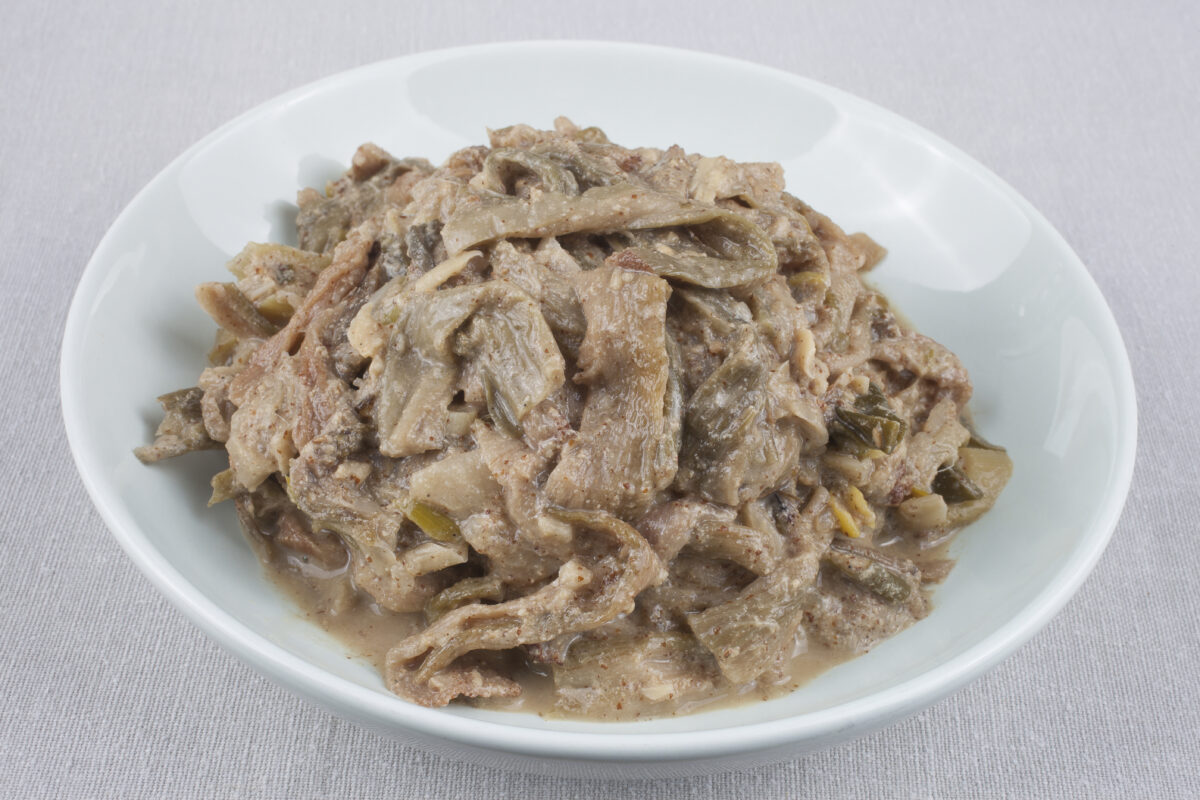
Once prepared, toran-dae is straightforward to cook. Sliced into eating lengths and stir-fried in perilla oil with a light seasoning of soy sauce or salt, it makes a clean, mild banchan. Add ground perilla seeds and anchovy stock and simmer it down, and you get the nutty, fragrant toran-dae perilla stir-fry common in prepared side dish shops. Dried toran-dae fits naturally into beef yukgaejang, perilla soup, and soybean pulp stew, where its ability to absorb liquid is the point.
Trending Now
- 1
SM Gets US Court Order in 9 Days to Unmask RIIZE Seunghan Comeback Accounts
K-Pop · October 17, 2026
- 2
SHINee's Taemin Meets Son Heung-min After a Falcon Launch in a TAEMIN 93 Jersey
K-Pop · October 16, 2026
- 3
Where to Actually Buy Korean Fashion Online
K-Fashion · August 24, 2026
- 4
Kim Yoo-jung and Park Jin-young's 100 Days of Lies Tops Its Slot at 8.3%
K-Drama · October 13, 2026
- 5
Ten Theqoo Replies, Five Animal Faces: Kitty and Wolf Types Win Out
Culture · October 15, 2026
More from Seo-Yun Baek
Kim Yoo-jung's Bare-Shoulder Dress Photos Sit Oddly Beside Her Two-Week Fasting Story
K-Fashion · October 18, 2026
277% Sales Jump: The Underwear Trend Jennie and IVE Are Behind
K-Fashion · October 11, 2026
BLACKPINK's AI Hanbok Photoshoot Has Fans Divided Over Cultural Accuracy
K-Fashion · October 11, 2026
End of story. The OMONAR Desk.
Don’t hear it from the group chat.
Comebacks, castings and chaos, filed by the desk.
Weekly · Free · Leave whenever