After 16 Million Tickets, Yu Hae-jin Returns to the Big Screen With a Conspiracy Thriller About a Real Assassination Attempt
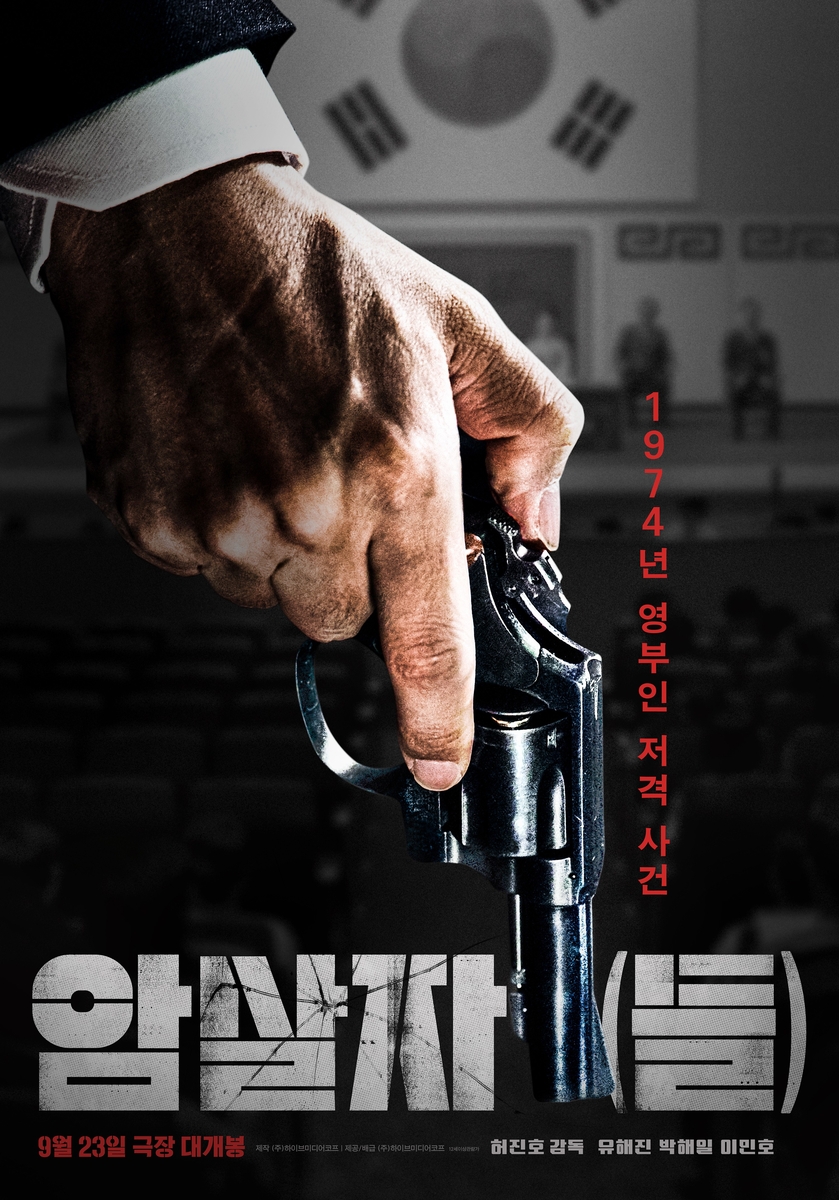
Assassin(s), directed by Heo Jin-ho, opens September 23 and follows three men who refuse to accept the official account of the 1974 shooting that killed First Lady Yuk Young-soo. Yu Hae-jin, Park Hae-il, and Lee Min-ho lead the ensemble.

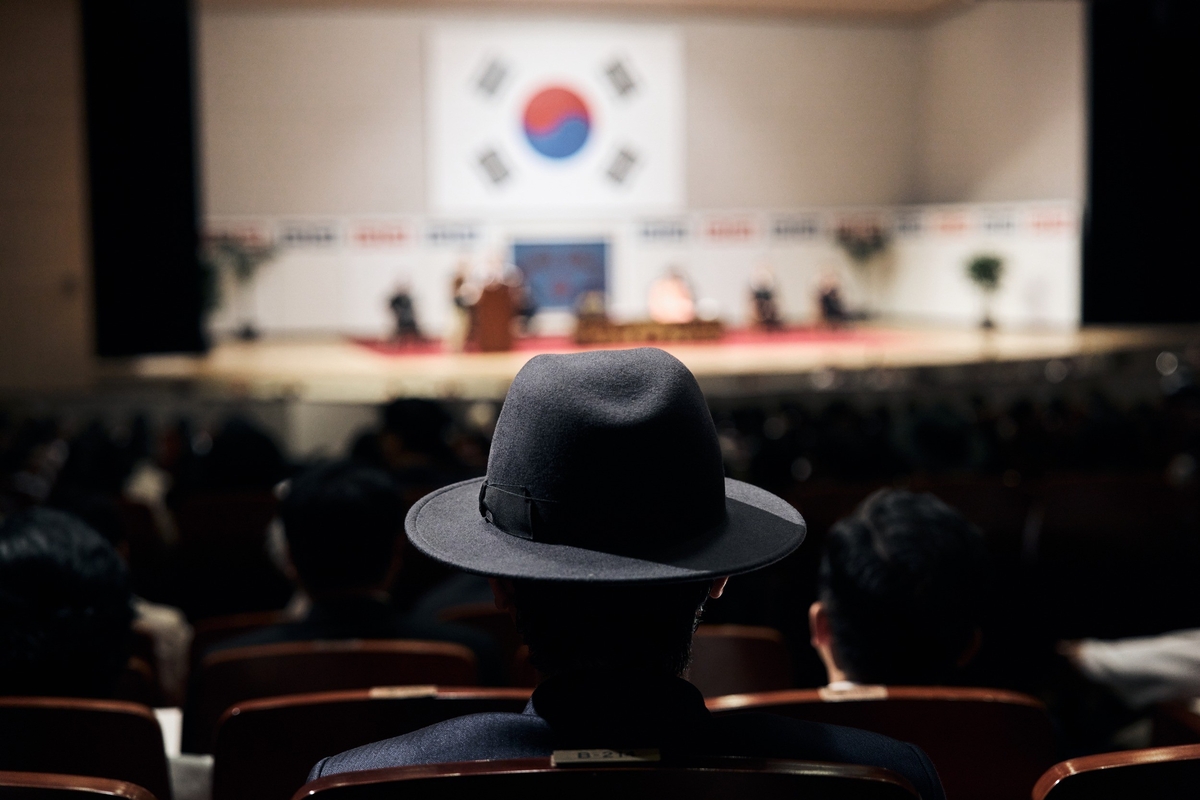
Yu Hae-jin is having an unusual year. His period drama The King's Man drew more than 16 million admissions in 2026, making it one of the biggest Korean box-office hits in recent memory. On September 23 he returns to theaters in Assassin(s), a political thriller built around a real and still-debated chapter of Korean history: the August 15, 1974 shooting at the Liberation Day ceremony that missed President Park Chung-hee and killed First Lady Yuk Young-soo instead.
The gap between the two films is not just one of subject matter. Where The King's Man reached back to the Joseon dynasty, Assassin(s) plants itself in the anxious atmosphere of 1970s South Korea, when the Korean Central Intelligence Agency sat in on newspaper editorial meetings and censors vetted individual words before publication. That context is not background decoration; it is the mechanism the film's three central characters have to work around.
Three angles on one event
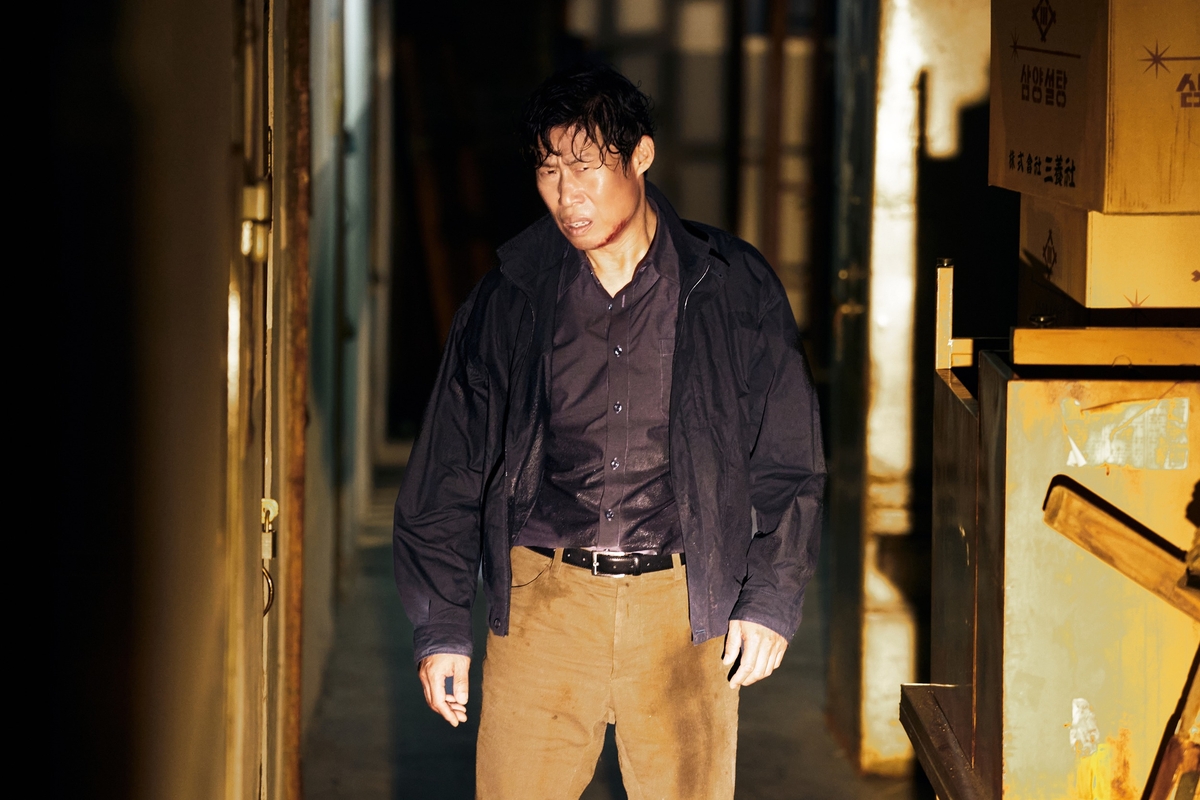
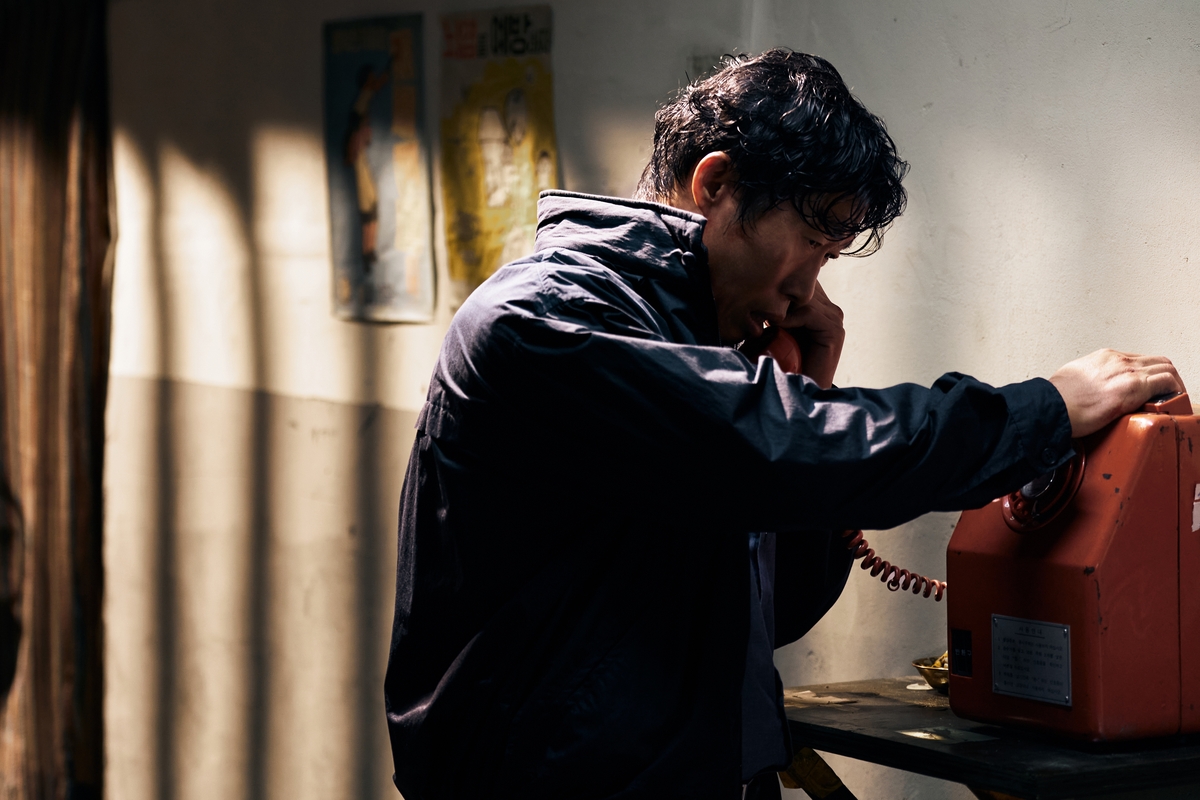
The film traces the investigation through three separate viewpoints. Chul-gu (Yu Hae-jin) is a police inspector who had been posted to the National Theater the day of the shooting. He noticed the eventual suspect, Mun Tae-gwang, attempting to enter without the required pass and moved to stop him, only to be overruled by a security official who waved Mun through without explanation. When Chul-gu is later disciplined for the breach, his sense of injustice becomes the engine that keeps him digging.
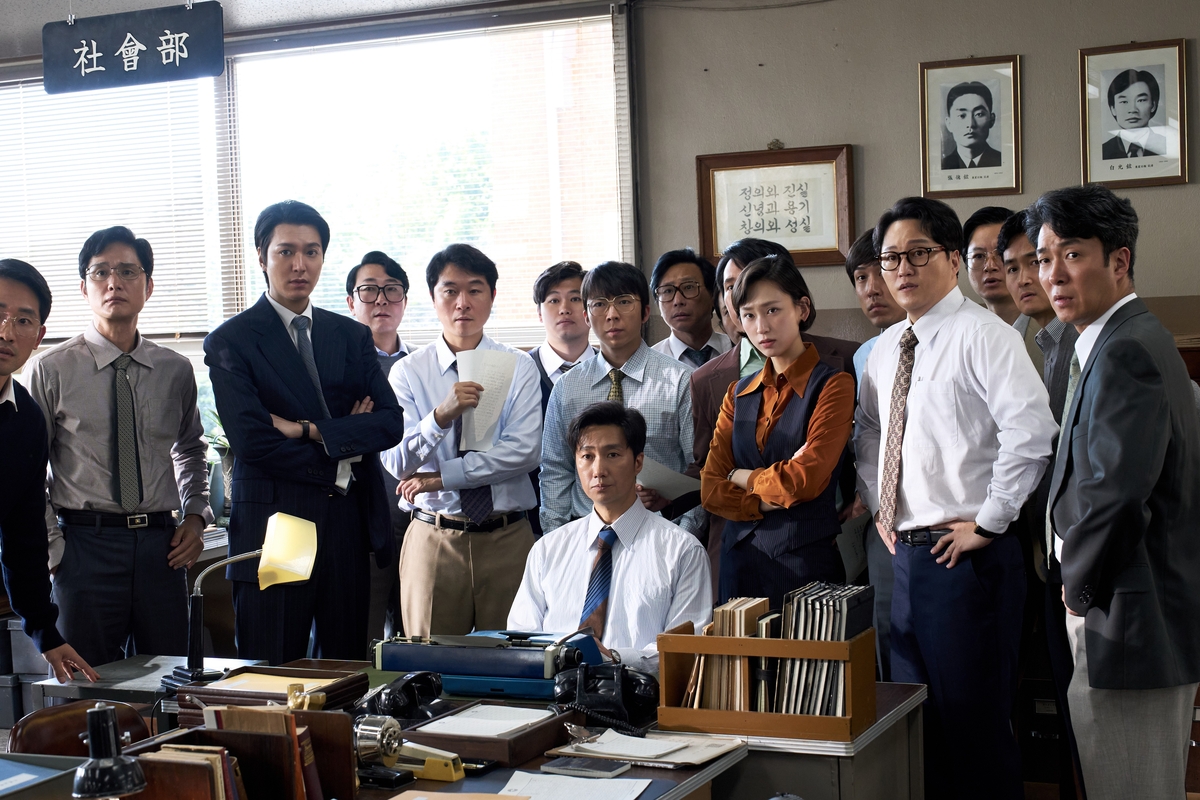
Jae-hwan (Park Hae-il) is the city desk chief at the fictional Dongseong Ilbo, a veteran journalist who wants to report what he knows but cannot: KCIA agents are present at every editorial meeting. Yeong-il (Lee Min-ho) is the youngest reporter on the same desk, the son of a well-connected businessman, which means he operates under slightly less surveillance than his editor and can occasionally pull a favor through family channels. The film uses that disparity in access as its investigative engine, with each character able to reach places the others cannot.
The official investigation closes quickly, ruling that Mun Tae-gwang, a second-generation Korean-Japanese, acted alone. All three men find the conclusion unsatisfying for different reasons, and the story follows them as they pull at separate threads.
A genre shift for Heo Jin-ho
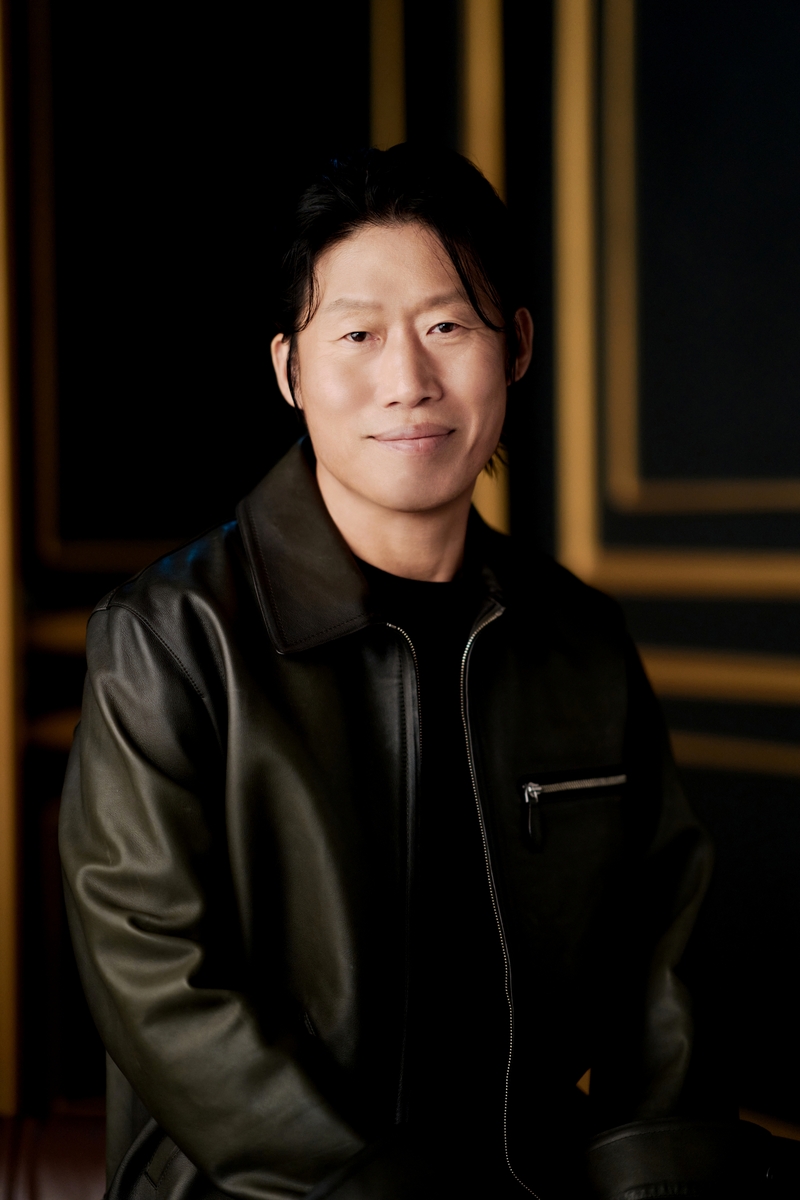
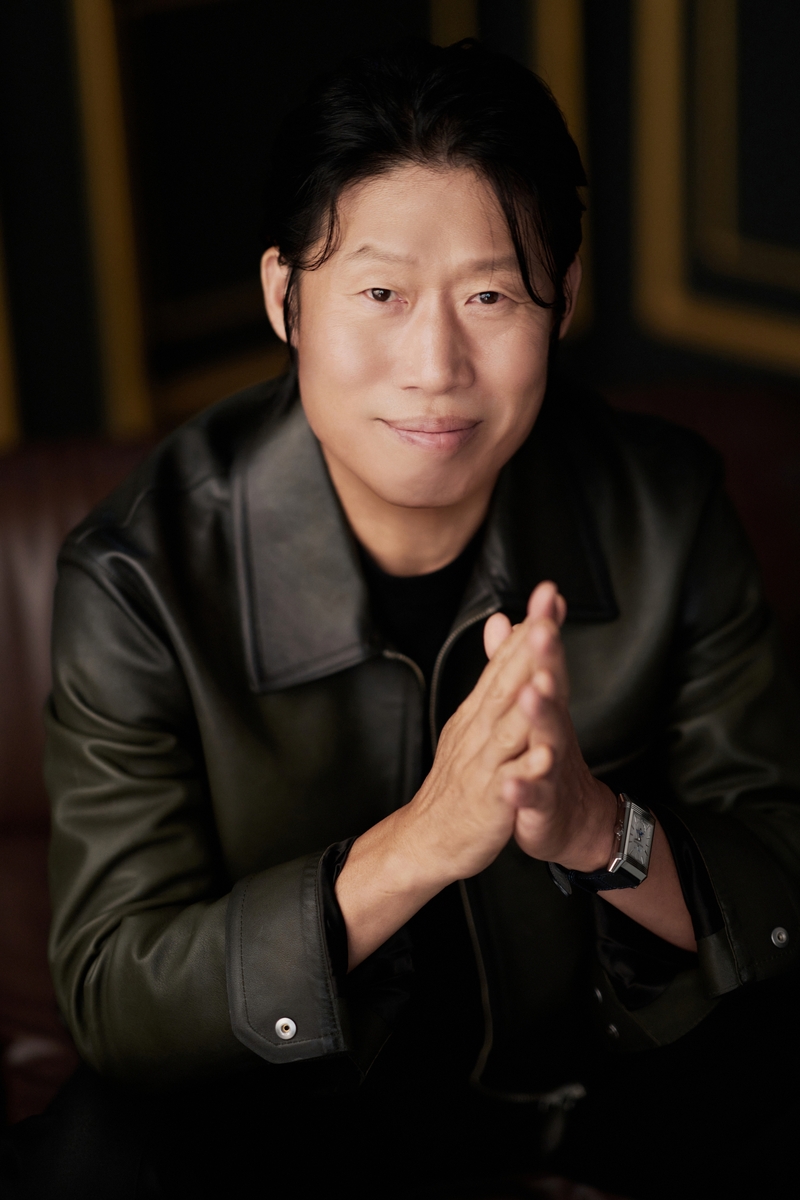
Director Heo Jin-ho is known primarily for restrained, slow-burn romance films. Christmas in August (1998) and One Fine Spring Day (2001) are canonical examples of that style, and the announcement that he was making a political conspiracy thriller drew attention partly for that reason. Yu Hae-jin, who worked with him on the film, noted in an interview that the finished cut runs at a considerably faster pace than he expected from reading the screenplay. "His earlier films often had a soft, slow tempo," he said. "The film ended up more urgent than the script suggested, and that surprised me."
The film signals its thesis early and does not make the audience work hard to pick up the thread. The security official's behavior at the venue, a silhouetted figure glimpsed early in the film who never quite resolves into an obvious suspect, and the plural in the title itself all point toward the same implication: that the official story left something out. Whether that transparency is a strength or a limitation is one of the more interesting tensions the film sits with. The clarity makes the film accessible; it also reduces the kind of sustained uncertainty that drives the best examples of the genre. The opposition between principled investigators and an opaque, occasionally violent intelligence apparatus is drawn cleanly enough that some viewers may find it familiar.
What the cast brings
The performances are the film's most consistent asset. Yu Hae-jin moves between resentment and stubbornness in a way that keeps Chul-gu grounded rather than heroic; the character's motivation is wounded pride as much as principle, which makes him easier to follow than a more straightforwardly righteous lead would be. Park Hae-il brings a controlled weight to Jae-hwan. Yu Hae-jin, in the interview, suggested that Park was the right choice for the role specifically because he can project moral rigidity without tipping into self-righteousness, adding with a laugh that he would have made the character look ridiculous.
Park Jeong-min, as Mun Tae-gwang, has very few lines but carries the character's ambiguity almost entirely through eye contact and expression. The supporting cast is dense with recognizable faces: Bae Seong-woo as the editor-in-chief, Uhm Ji-won as Chul-gu's wife, Park Ji-hwan as the forensics chief, and further into the call sheet, Jung Woo-sung, Kim Dae-myung, Shim Eun-kyung, Park Hae-joon, Oh Jung-se, and Shin Hyun-been in smaller roles.
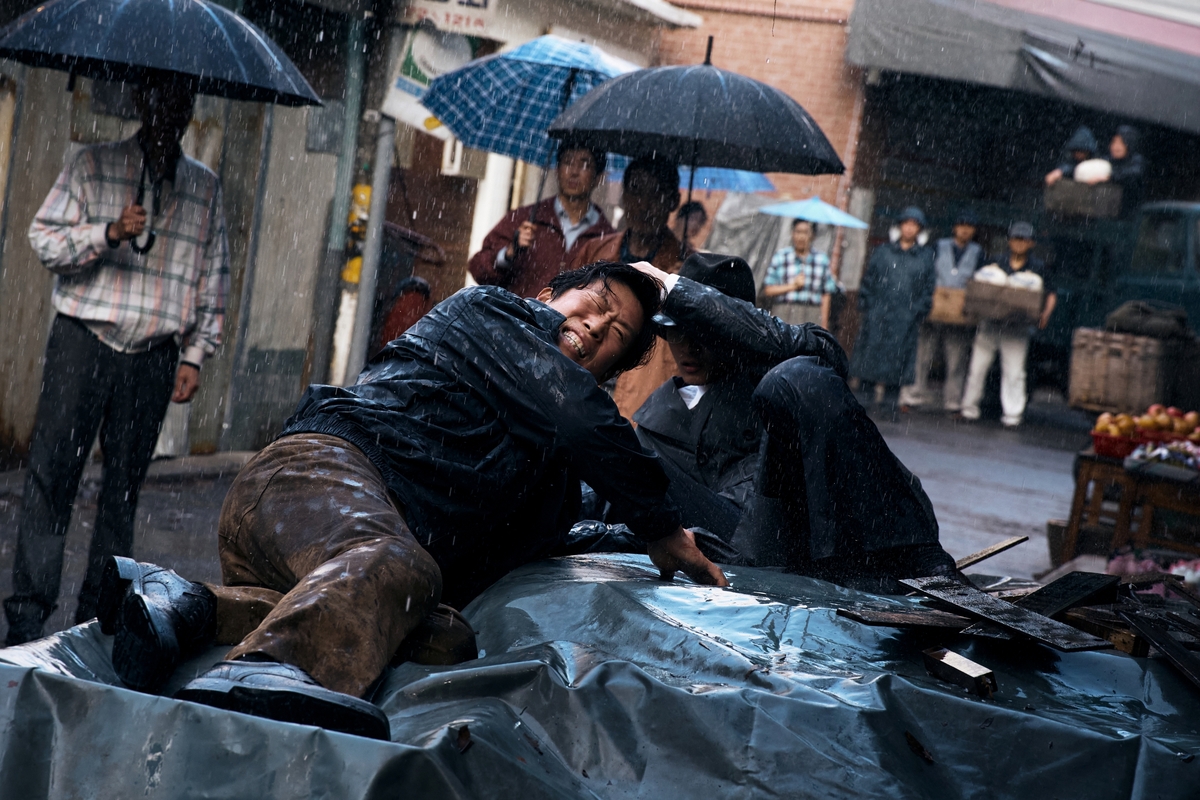
For Yu Hae-jin, Assassin(s) continues a pattern that has defined much of his recent career: ordinary men caught in large historical events, from 1987 to A Taxi Driver to The King's Man. He has said he deliberately avoids deep historical research before taking on these roles, preferring to understand the social atmosphere of a period rather than its documented specifics, because he finds that too much factual grounding makes him argue with the screenplay rather than inhabit it. The goal, as he describes it, is a character that feels like someone the audience might actually know, rather than a figure placed inside a history lesson.
Assassin(s) opens September 23. Runtime: 130 minutes. Rated 12 and above. Distributed by Hive Media Corp.
Trending Now
- 1
Kahi Loses KAHI Trademark Fight After 25 Drama PPLs and 10 Million Sales
Culture · October 21, 2026
- 2
Yang Hong-won and Wife Unfollow Each Other 5 Days After Wedding Amid Affair Claim
K-Pop · October 24, 2026
- 3
EJAE Moved Her Wedding Up 30 Days and Across an Ocean After KPop Demon Hunters
K-Pop · October 20, 2026
- 4
Ne-Yo's PMG Now Has Five Korean Artists, Including Tiffany Young
Culture · October 20, 2026
- 5
Only 4 K-Pop Acts Entered Grammys' New Asian Pop Category After BTS Boycott
K-Pop · October 20, 2026
More from Soo Park
KBS Bets a Reported 30 Billion Won on Moonmu After Its Weekend Slot Sank to 1%
K-Drama · October 26, 2026
Yoo Yeon-seok and Seo Hyun-jin Reunite After 10 Years in MBC's Liar
K-Drama · October 26, 2026
Chu Young-woo and Kim So-hyun Are Dating in Love Doctor, and Episode 7 Adds a Rival
K-Drama · October 26, 2026
End of story. The OMONAR Desk.
Don’t hear it from the group chat.
Comebacks, castings and chaos, filed by the desk.
Weekly · Free · Leave whenever