Only 19 of 1,182 K-Pop Groups Ever Sold a Million Albums, Study Finds
A peer-reviewed analysis of every K-pop idol group to debut between 1996 and 2025 found that just 1.6% achieved million-selling album sales, and nearly half disbanded within three years. The study, published in the Journal of the Korean Entertainment Industry Association, offers the most comprehensive look yet at the structural economics behind K-pop's global success.

Of the 1,182 K-pop idol groups that debuted in South Korea between 1996 and 2025, only 19 ever sold a million copies of a single album. That figure, drawn from the first comprehensive longitudinal study of the industry, puts a precise number on something fans and insiders have long sensed: the distance between a K-pop debut and sustained commercial success is enormous.

The study was conducted by Professor Kim Jeong-seop of Sungshin Women's University's Department of Culture Industry and Arts, who also chairs the Global K-Culture Economy Forum. His paper, published in the July 2026 issue of the Journal of the Korean Entertainment Industry Association, covers every group registered with the Korea Popular Music Industry Association from H.O.T.'s debut in 1996 through the end of 2025. The dataset includes 588 girl groups and 594 boy groups, analyzed through cohort methods and in-depth expert interviews.

The study's baseline finding is that the average K-pop idol group survives for 4.12 years. That is only 58.9% of the standard seven-year exclusive contract that South Korea's Fair Trade Commission uses as a benchmark for artist agreements. The implication is structural: because agencies evaluate whether to continue investment based on a group's market performance in its first one to three years, a large portion of groups effectively lose label backing well before their first contract expires.

The three-year survival rate came in at 55.03%, meaning roughly 45% of groups exit the market within that window. Kim frames this in comparative terms: K-pop groups actually outlast general small and medium-sized businesses, whose three-year survival rate sits at 41.5%. They fall short, however, of government-supported startups, which survive at a 68.1% rate over the same period. "The idol industry is genuinely high-risk," Kim writes, "but existing perceptions of that risk have been excessively negative. Objective empirical data should allow investors to reassess that risk more accurately."
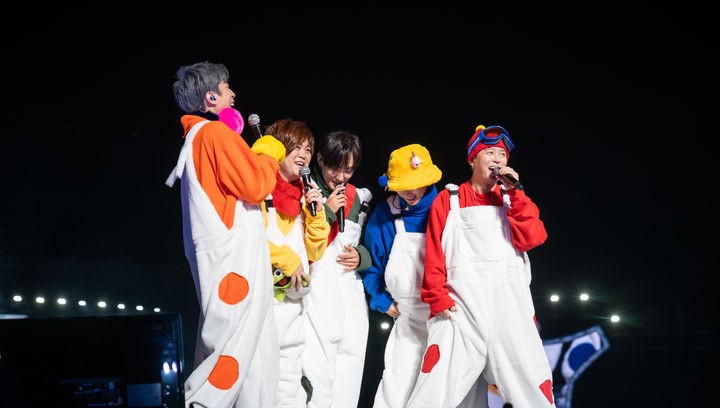
The gender gap in survival duration is one of the study's more revealing findings. Boy groups lasted an average of 5.11 years; girl groups averaged 3.13 years, a gap of nearly two years. Kim attributes this to differences in revenue structure: boy groups benefit from deeply loyal, predominantly female fandoms whose consumption is concentrated in physical albums and concert tickets, a model that generates recurring and relatively predictable income. Girl groups depend more heavily on general public appeal, digital streaming revenue, and performance fees from corporate and broadcast engagements, an income base that is less stable and more sensitive to shifts in public attention.
At the top of the distribution, the concentration of success is striking. Only 42 groups, or 3.55% of the total, ever sold more than 300,000 copies of a single album, the threshold Kim identifies as roughly equivalent to recouping production and marketing costs. The 19 million-selling groups represent 1.61% of the sample. And only eight groups (0.68%) have crossed 10 million cumulative album sales: BTS, SEVENTEEN, Stray Kids, EXO, TWICE, NCT, TXT (Tomorrow X Together), and ENHYPEN. Kim describes this tier as evidence that a genuine "post-BTS" cohort of global leaders has taken shape, rather than BTS remaining a singular outlier.
That context matters for how the industry is understood internationally. The global visibility of a handful of groups can create the impression of a relatively accessible market; the data suggests the opposite. Roughly 39 groups debut each year (19.8 boy groups, 19.6 girl groups on average), and the vast majority will not reach a second contract cycle.
Kim closes with five policy recommendations for what he calls the industry's next 30 years: building long-term artist development systems rather than short-cycle debut pipelines; creating structured re-entry paths for groups and artists who disband early; establishing shared infrastructure for smaller agencies that cannot afford full production and promotion operations independently; tightening pre-debut screening to reduce the volume of underprepared debuts; and balancing global expansion ambitions against a stable domestic survival base. "The first 30 years established the K-pop production system and drove its global reach," Kim writes. "The next 30 need to move beyond a single-success model centered on BTS and build a sustainable mainstream cultural industry." Whether the industry's label structures are capable of that shift is a question the data alone cannot answer.
More from Soo Park
An Bo-hyun Left Engulfed in Flames as Chaebol X Detective 2 Breaks Its Own Record
K-Drama · September 19, 2026
Korean Remake of Unnatural Lands Yoona in the Lead, Six Years After the Japanese Original
K-Drama · September 18, 2026
Kim Hyun-joo Carries a 500-Million-Won Thriller to TIFF
Culture · September 18, 2026
End of story. The omonar! Desk.
Don’t hear it from the group chat.
Comebacks, castings and chaos, filed by the desk.
Weekly · Free · Leave whenever