Anua, Torriden, or Aestura: Which K-Beauty Moisturizer Is Actually Worth Buying?
Three Korean skincare brands are competing for the same shelf space in the affordable moisturizer category, and each takes a meaningfully different approach to hydration and calming. Anua leans on plant-derived houttuynia cordata, Torriden leads with multi-weight hyaluronic acid, and Aestura builds from a dermatology-first formula. Here is how the ingredients actually differ.

All three of these creams sit in the 20,000 to 30,000 won range, which is precisely where K-beauty does its most interesting work. The brands are Anua, Torriden, and Aestura, and while their pitch sounds similar on paper (hydration, calming, barrier support), the formulation logic behind each one is distinct enough to matter when you are choosing between them.
Skin tends to shift with the seasons. Temperature and humidity changes can tighten the skin, trigger flaking, or cause sensitivity to products that have worked fine for months. That is the context these three products are designed for, and it is worth thinking about which ingredient approach fits your skin before clicking purchase.
Anua: plant-derived calming with a short ingredient list
Anua's Heartleaf 70 Daily Lotion is built around houttuynia cordata (어성초), a perennial plant the brand has made central to its identity. The ingredient is not decorative: a 2018 paper in the Journal of Ethnopharmacology found that key bioactive compounds in houttuynia cordata extract showed activity against inflammation-related signaling and oxidative stress. The plant contains quercetin, quercitrin, and hyperoside, all of which carry antioxidant properties.
The full formula runs to just 25 ingredients, which is spare by skincare standards. Alongside the brand's proprietary Quercetinol complex, it contains panthenol, hyaluronic acid, and ceramide. Hyaluronic acid draws moisture to the skin and helps retain it; ceramide is a lipid that forms part of the skin barrier and limits water loss. The restraint in the ingredient count is part of Anua's appeal for people who prefer to know exactly what they are putting on.
One caveat applies here as it does to the other two products: ingredient lists tell you what is in the formula, not how much or how it interacts with everything else. The concentration and combination of actives, along with your own skin condition, determine whether a product performs as described. Patch-testing before committing to a full jar is sound practice, particularly for sensitive skin.
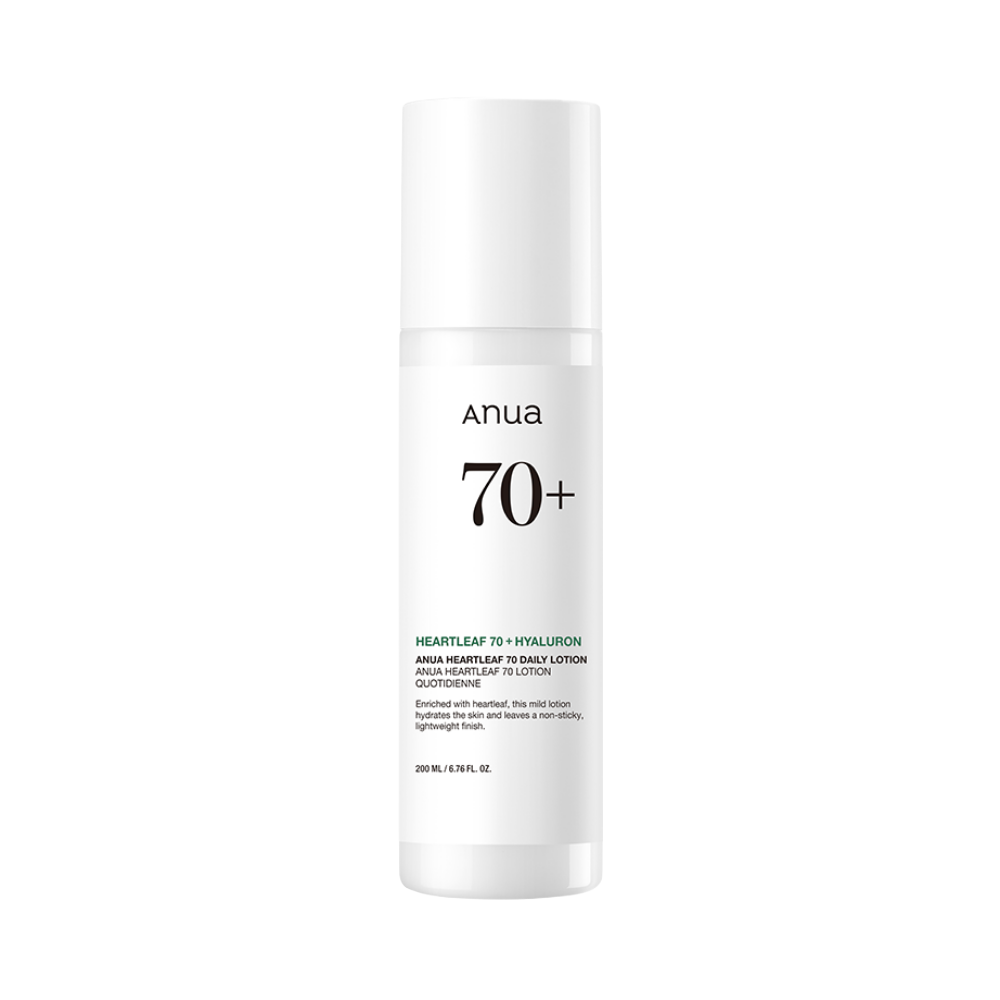 AnuaAnua Heartleaf 70 Daily Lotion 6.76 fl. oz.(200ml)$26.00Shop at Olive Young US →
Affiliate link. OMONAR may earn a commission if you buy.
Torriden: hyaluronic acid at multiple molecular weights
Torriden's Dive-In Low Molecular Hyaluronic Acid Soothing Cream makes its hyaluronic acid focus explicit from the name. The Dive-In line uses several forms of hyaluronic acid in combination, which the brand presents as delivering moisture at different skin depths. The low-molecular claim is worth understanding carefully: smaller hyaluronic acid molecules are often marketed as penetrating deeper into the skin, but actual moisturizing performance depends on concentration, formulation, and how the molecule combines with other humectants, not molecular weight alone.
Beyond the hyaluronic acid blend, the cream contains panthenol and allantoin, both well-established calming agents. Panthenol (provitamin B5) supports moisture retention and barrier function. Allantoin is used across skincare categories specifically to soothe and condition skin. Glycerin, betaine, and trehalose round out the humectant side of the formula, each working to draw or hold water in the skin. Ceramide NP is also present, addressing barrier integrity and transepidermal water loss.
The overall picture is a formula layered with complementary moisturizing mechanisms rather than a single hero ingredient doing all the work.
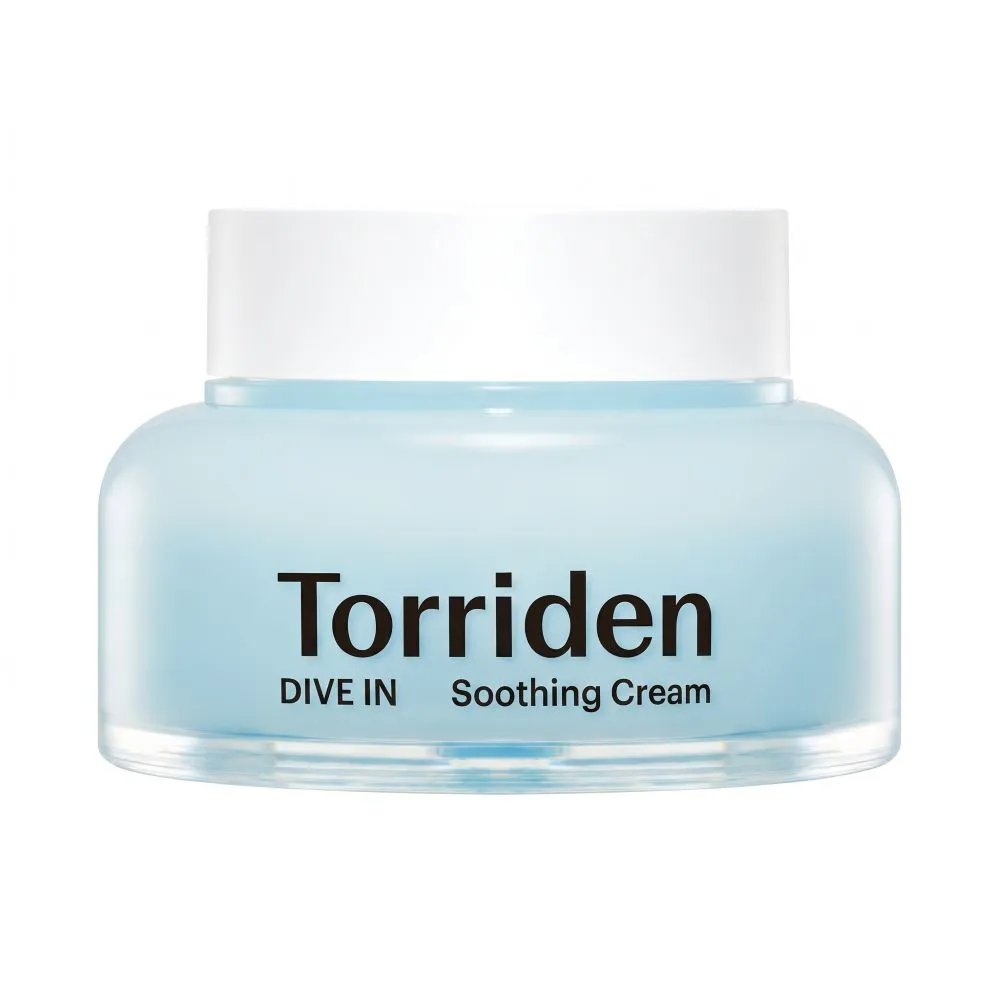 TorridenTorriden Dive-in Hyaluronic Acid Soothing Cream 3.38 fl. oz.(100ml)$27.00Shop at Olive Young US →
Affiliate link. OMONAR may earn a commission if you buy.
Aestura: the dermatology-school approach
Aestura occupies different territory. The brand positions itself as a dermatology-based skincare line, and the A-CICA365 Soothing Repair Cream reads accordingly. The ingredient list opens with purified water, then propanediol, panthenol, and glycerin, with squalane appearing relatively high in the list as well. Further down: madecassoside, beta-glucan, and tocopherol.
Madecassoside, derived from centella asiatica, is the formula's calming anchor and the ingredient most associated with dermatological skincare. Squalane functions as an emollient, reducing moisture loss at the skin surface rather than actively drawing water in. Beta-glucan supports skin conditioning, and tocopherol (vitamin E) brings antioxidant coverage. The formula reads methodical: each ingredient has a clear, documented function, and there is little in the list that exists purely for marketing.
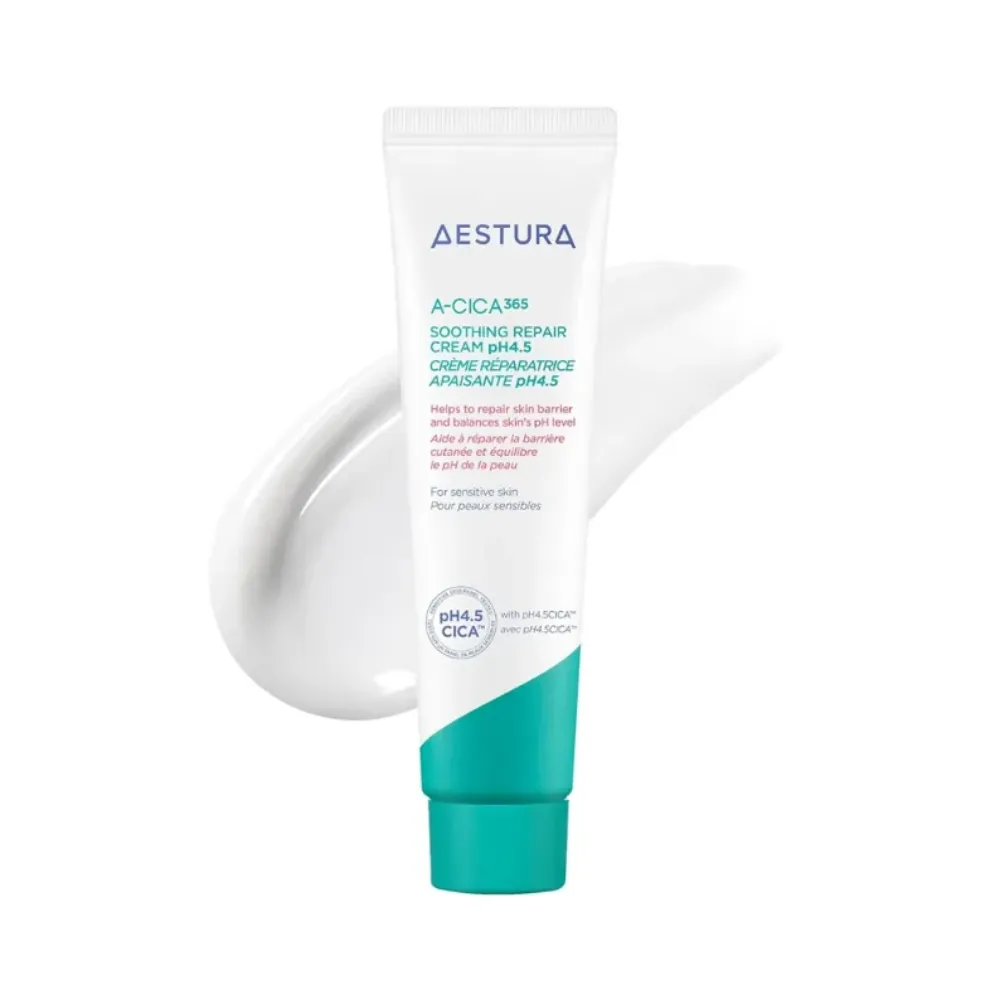 Olive Young USAESTURA A-CICA365 Soothing Repair Cream pH4.5 2.02 fl. oz.(60ml)$32.00Shop at Olive Young US →
Affiliate link. OMONAR may earn a commission if you buy.
How to choose between them
The simplest way to think about these three: Anua focuses on plant-derived calming with a minimal formula, Torriden centers on hyaluronic acid delivered through multiple molecular forms, and Aestura applies a dermatology-influenced approach to both hydration and barrier support.
None of these is categorically better than the others. Preference depends on skin type, what you are trying to address, and which ingredient philosophy you trust. Anyone with sensitive skin should patch-test before full application regardless of which product they choose. If irritation, itching, redness, or stinging develops during use, discontinue immediately.
Trending Now
- 1
Kahi Loses KAHI Trademark Fight After 25 Drama PPLs and 10 Million Sales
Culture · October 21, 2026
- 2
Yang Hong-won and Wife Unfollow Each Other 5 Days After Wedding Amid Affair Claim
K-Pop · October 24, 2026
- 3
EJAE Moved Her Wedding Up 30 Days and Across an Ocean After KPop Demon Hunters
K-Pop · October 20, 2026
- 4
Ne-Yo's PMG Now Has Five Korean Artists, Including Tiffany Young
Culture · October 20, 2026
- 5
Only 4 K-Pop Acts Entered Grammys' New Asian Pop Category After BTS Boycott
K-Pop · October 20, 2026
More from Seo-Yun Baek
Jang Wonyoung, Kim Jiwon and Gong Hyo Jin Wear the Same 1 Million Won Dress
K-Fashion · October 26, 2026
10 Fan Reactions to the Dark Eyebrow Return, From NingNing to MEOVV's Anna
K-Beauty · October 25, 2026
Kill It Winner Kim Na-ra Shares ELIE SAAB x H&M Bridal Photos 10 Days Before Wedding
K-Fashion · October 21, 2026
End of story. The OMONAR Desk.
Don’t hear it from the group chat.
Comebacks, castings and chaos, filed by the desk.
Weekly · Free · Leave whenever