Lee Chang-dong's Possible Love draws seven-minute standing ovation at Venice, heads to BFI London
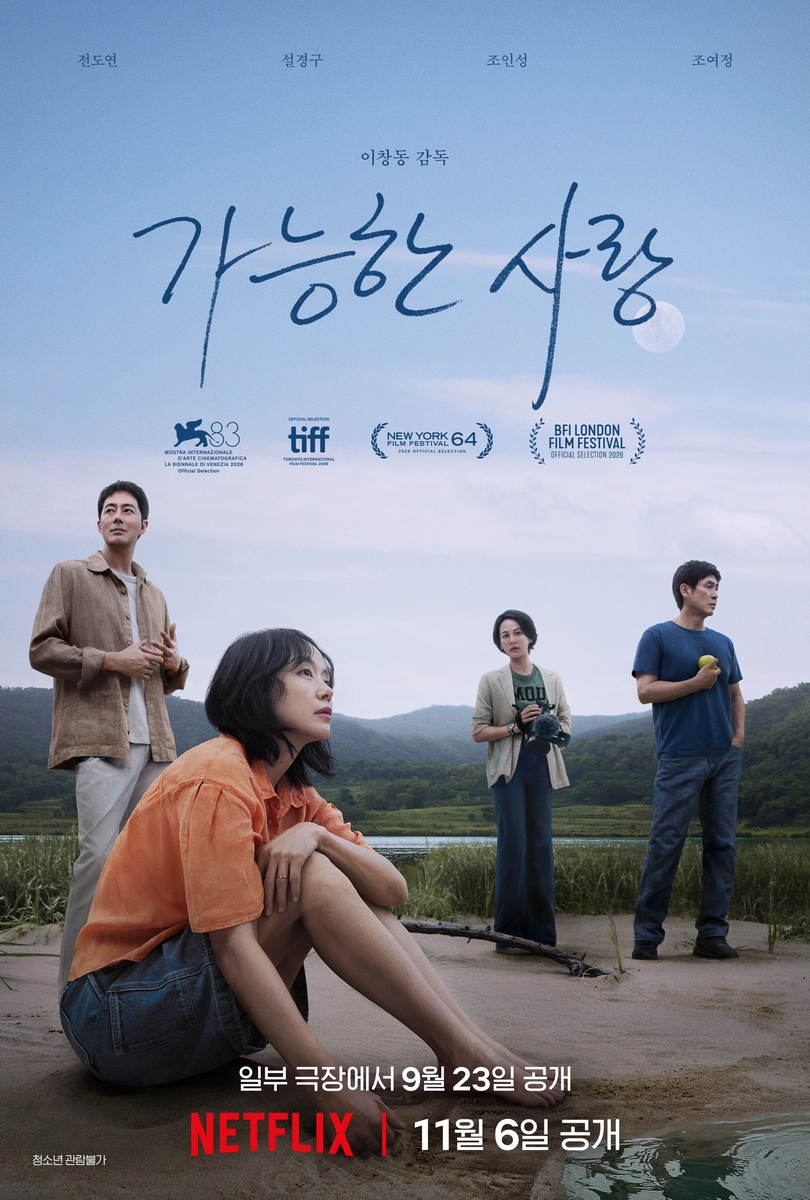
Lee Chang-dong's Possible Love received a seven-minute standing ovation at the 83rd Venice International Film Festival, where critics have called it a near-flawless return from one of Korean cinema's most deliberate directors. Netflix confirmed on September 4 that the film has also been invited to the Gala section of the 70th BFI London Film Festival, extending a festival run that already includes New York, San Sebastián, Zurich, and Vancouver.

Lee Chang-dong's Possible Love received a seven-minute standing ovation when it screened at the 83rd Venice International Film Festival on September 6 (local time), and the critical response that followed has been close to unanimous. The film arrives eight years after Burning, and its Venice reception suggests that the long gap between projects has done nothing to diminish the director's standing on the international circuit.
Netflix confirmed on September 4 that Possible Love has been invited to the Gala section of the 70th BFI London Film Festival, which will take place next month. The Gala section is reserved for the festival's most prominent new titles. It marks Lee's sixth BFI London invitation across a career that previously brought Peppermint Candy (2000), Oasis (2002), Secret Sunshine (2007), Poetry (2010), and Burning (2018) to the British festival.
What critics saw at Venice
The film follows two couples from sharply different class backgrounds: Hoseok (Sol Kyung-gu), a laid-off factory worker, and his wife Miok (Jeon Do-yeon) meet a documentary filmmaker named Yeji (Jo Yeo-jeong) and her wealthy husband Sangwoo (Jo In-sung). The encounter surfaces hidden desires and forces each character to reckon with a life they hadn't fully examined.
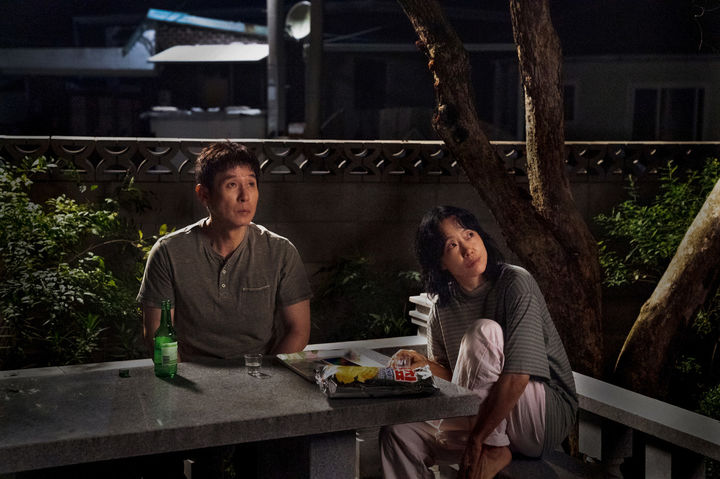
The Hollywood Reporter described the film as a Venice sensation, citing "the flawless craftsmanship and profound significance of what might be considered a masterwork" and noting that critical first reviews were "nearly unanimously glowing." Variety singled out Lee's ability to weave together extreme contrasts of tone and subject matter without forcing any of it, writing that perhaps only he could integrate such disparate elements while making everything feel inevitable. Screen Daily called it "an intense return" that probes class, desire, and exploitation, and noted that Lee continually upends audience expectations about where the story is headed and who these four people actually are.
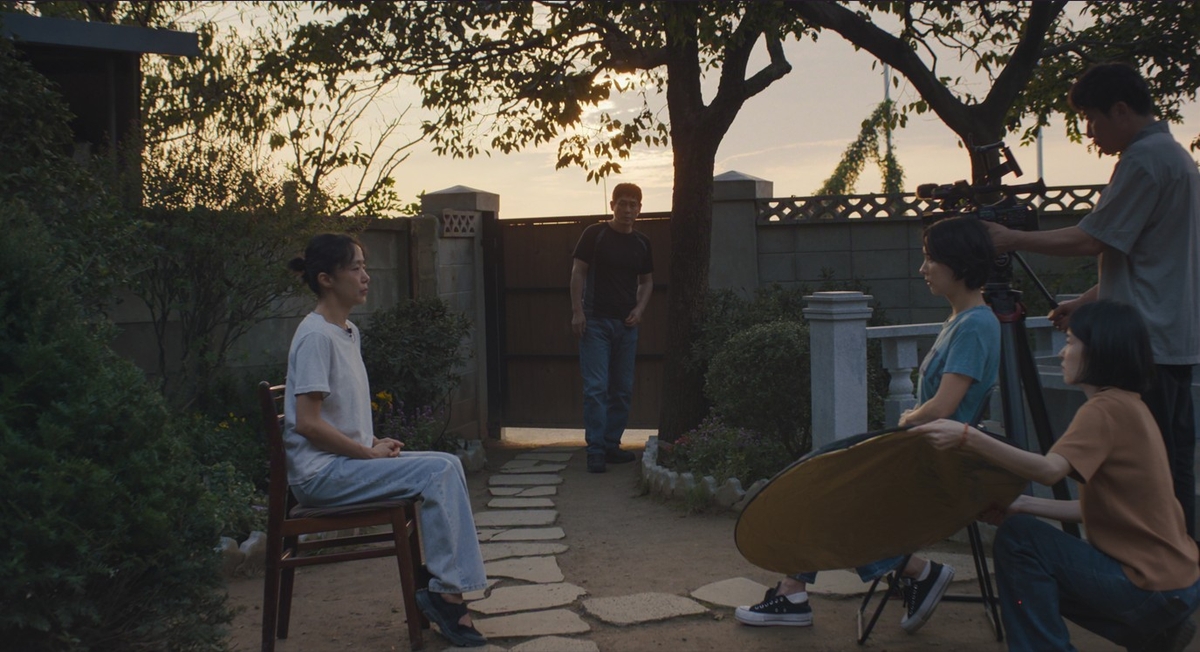
AwardsWatch, which gave the film an A grade, framed its central provocation in pointed terms: in an era when everyone is encouraged to turn their life into content, being on the safe side of the camera becomes a privilege of the comfortable. Screen Daily extended that reading to the documentary-within-the-film, where Yeji's act of filming the working-class couple is interrogated as a form of dehumanization no less acute than what corporations and the wealthy inflict through other means.
The Guardian was somewhat more measured, noting that the film occasionally feels deliberate and self-conscious, and that it isn't always sure how much weight to give its irony. Even so, the paper praised the direction as "tremendously fluid and vital" and concluded that the film is subtler than comparable works on similar material.
The performances
AwardsWatch highlighted Jeon Do-yeon's performance as Miok as the film's standout, praising her for capturing the physical gestures and bearing of a working-class woman without caricature. Variety echoed that assessment, describing her turn as one of the most precise performances of the year. Screen Daily named Jo Yeo-jeong's Yeji the film's most compelling character, a figure suspended uncomfortably between the wealthy world she married into and the working-class subjects she films, and noted that the performance withholds enough that the audience is never quite sure whether Yeji is exploiting her subjects, empathizing with them, or even knows the difference herself.
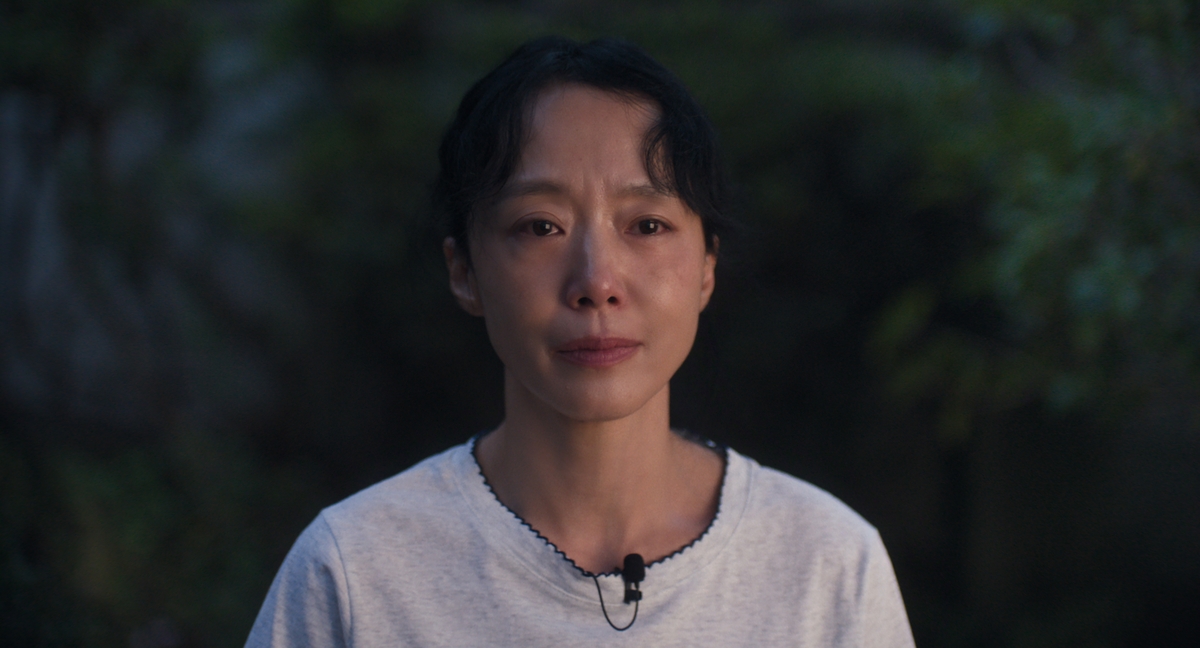
For a film that turns on questions of class visibility and the ethics of representation, the casting carries particular weight. Lee co-wrote the screenplay with writer Oh Jeong-mi.

Release and awards picture
Possible Love will open in Korean theaters on the 23rd before streaming on Netflix from November 6. The film is competing for the Golden Lion, which will be awarded at the Venice closing ceremony on the 12th (3 a.m. KST on the 13th). Korea's only previous Golden Lion winner was the late Kim Ki-duk's Pieta in 2012; Park Chan-wook's No Way Out was invited to Venice last year after a 13-year absence but did not take the prize.
The film has also been selected as Korea's submission for the Academy Awards international feature film category, adding another layer to what is already an unusually crowded festival itinerary for a single title.
Trending Now
- 1
Kahi Loses KAHI Trademark Fight After 25 Drama PPLs and 10 Million Sales
Culture · October 21, 2026
- 2
Yang Hong-won and Wife Unfollow Each Other 5 Days After Wedding Amid Affair Claim
K-Pop · October 24, 2026
- 3
Only 4 K-Pop Acts Entered Grammys' New Asian Pop Category After BTS Boycott
K-Pop · October 20, 2026
- 4
Ahn Hyo-seop's Chef Drama Final Table Starts Quietly After a 27.1% Hit
K-Drama · October 25, 2026
- 5
Yang Hongwon Admits Motel Visit Five Days After Wedding, Agency Cries Extortion
K-Pop · October 23, 2026
More from Soo Park
KBS Bets a Reported 30 Billion Won on Moonmu After Its Weekend Slot Sank to 1%
K-Drama · October 26, 2026
Yoo Yeon-seok and Seo Hyun-jin Reunite After 10 Years in MBC's Liar
K-Drama · October 26, 2026
Chu Young-woo and Kim So-hyun Are Dating in Love Doctor, and Episode 7 Adds a Rival
K-Drama · October 26, 2026
End of story. The OMONAR Desk.
Don’t hear it from the group chat.
Comebacks, castings and chaos, filed by the desk.
Weekly · Free · Leave whenever