Tazza: Song of Beelzebub closes Korea's 20-year gambling film series with a story of friendship turned betrayal
The fourth and final Tazza film premiered at a press screening on September 9, ending a franchise that began in 2006. Directed by Choi Guk-hee, the film stars Byun Yo-han and Noh Jae-won as two childhood friends whose partnership collapses into rivalry and revenge across a poker table.

Tazza: Song of Beelzebub had its press screening on September 9, closing out a franchise that has run across four films and two decades. The new entry is built around a premise the series has not tried before: two protagonists who share nearly the same name and once shared everything else.
The film follows Jang Tae-young (played by Byun Yo-han), a businessman who built a successful online casino operation on instinct and luck, only to lose it all to the betrayal of his closest friend, Park Tae-young (Noh Jae-won). Haunted by a recurring nightmare in which he transforms into a blowfly, Jang sets out to learn poker well enough to destroy the man who ruined him.
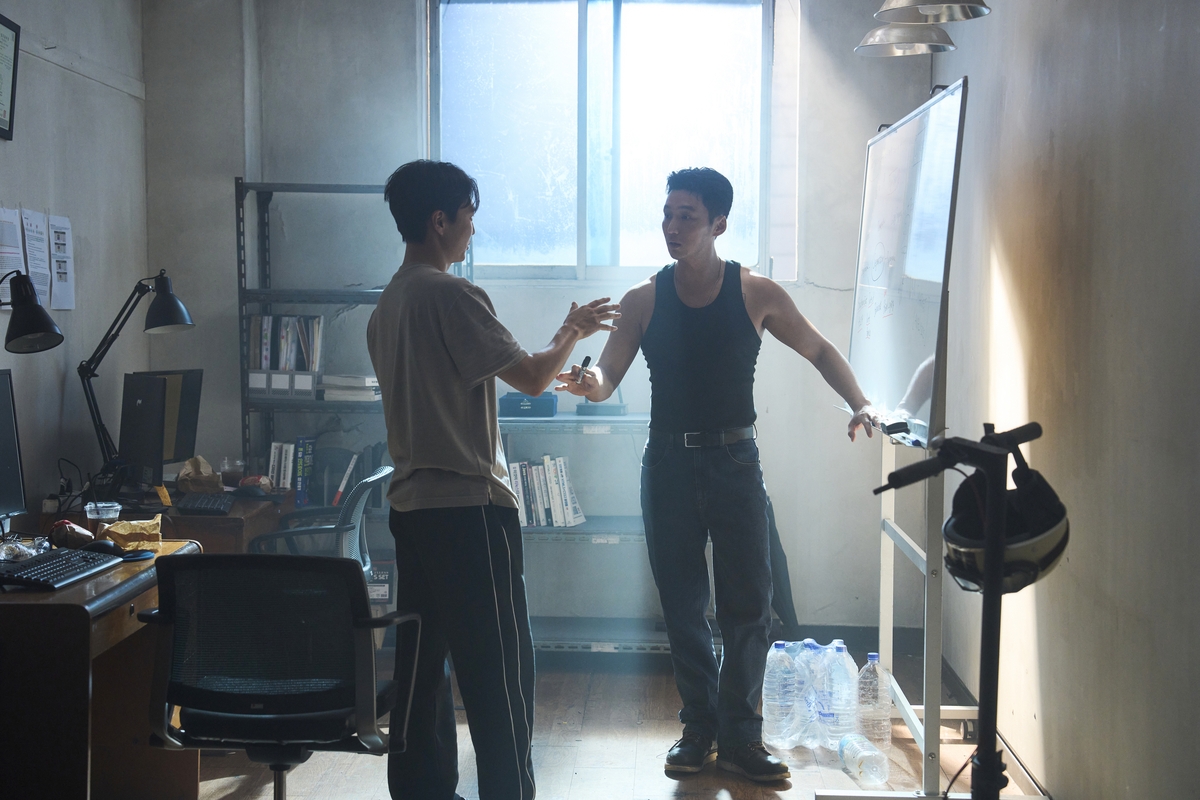
The mythology behind the title
The title is drawn from a piece of card mythology that director Choi Guk-hee weaves into the film's structure. In the lore attached to the spade suit, the Ace of Spades represents Lucifer and the Two of Spades represents Beelzebub. According to the story the film uses as a framing device, the two demons wager everything against each other; Lucifer wins, and the defeated Beelzebub is condemned to take the form of a blowfly, the creature that traditionally symbolizes filth and degradation. The film's central question, Choi has said, is which of its two protagonists is the uglier devil.
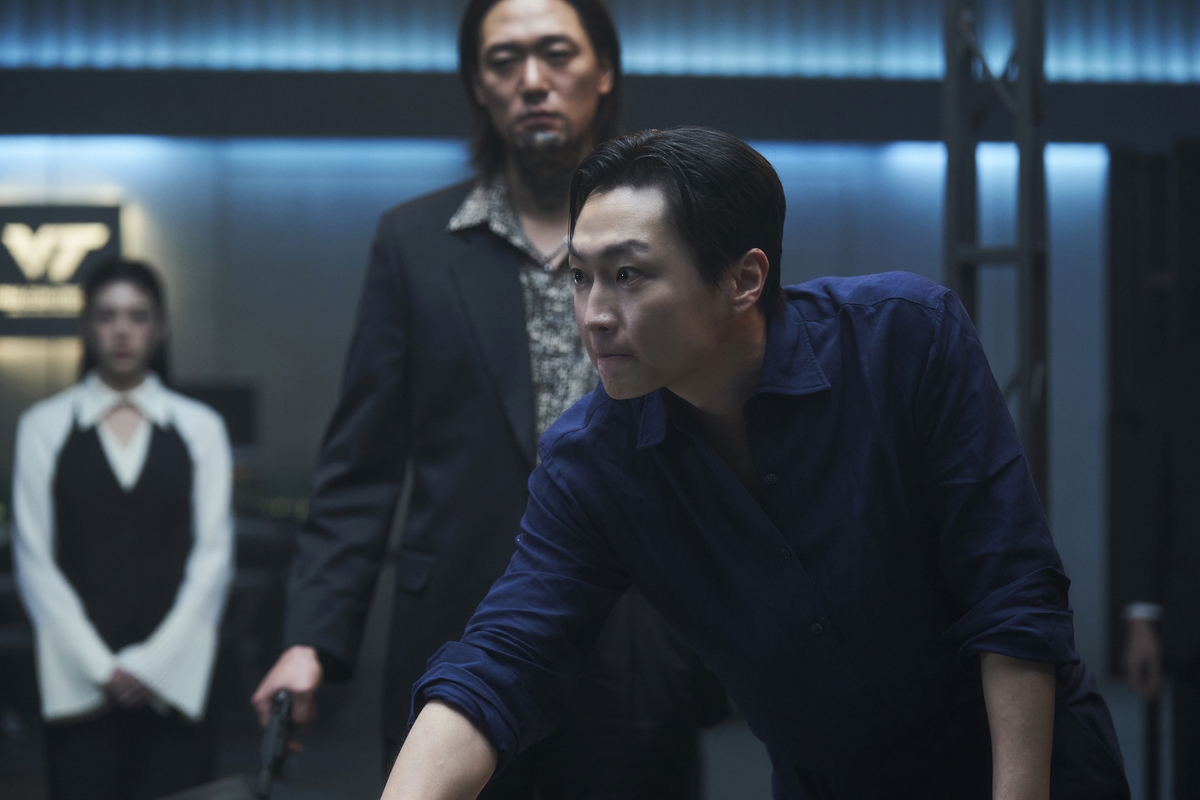
At a press conference held at CGV Yongsan iPark Mall in Seoul, Choi explained his approach to the source material. The original comic by Heo Young-man on which this entry is based carries a different character from the earlier volumes, functioning more as a standalone story than a direct continuation. "The source material was drama-heavy from the start," Choi said. "It centers on human desire, envy, jealousy, betrayal, and I wanted to bring those elements through into the film."

Where this entry sits in the series
The Tazza franchise began in 2006 with a film now regarded as a modern Korean genre classic. Two sequels followed: Tazza: The Hidden Card in 2014 and Tazza: One Eyed Jack in 2019. All three were adapted from Heo's long-running manhwa. Song of Beelzebub arrives seven years after the last installment and is marketed as the series finale.
The film keeps the structural backbone that defines the franchise, a protagonist who hits bottom and claws back up through gambling, but extends the canvas internationally. Vietnam serves as the primary location for Jang's exile and recovery, and Japan figures into the wider criminal ecosystem the story inhabits. Japanese and Vietnamese actors join the cast: Ihara Tsuyoshi plays Sasaki, the yakuza boss at the center of the story's international web; Miyoshi Ayaka plays Kaneko, one of Sasaki's associates; and Hong Dao plays a Vietnamese chairman who upends the poker table's power dynamics. Jo Woo-jin plays Gwak Dong-wook, the mentor who teaches Jang the game, and Yoon Kyung-ho plays a hired killer named Jo Jung-hwan. Rapper Swings, performing here under his given name Moon Ji-hoon, has a visible supporting role.

What holds and what doesn't
The film's most effective material is in its portrait of decline rather than triumph. The dynamic between Jang and Park is framed loosely around the Mozart-Salieri relationship from Amadeus: one man naturally gifted, the other grinding and resentful, the resentment eventually consuming everything. Noh Jae-won's performance as Park carries the film's more complex emotional register, and his layered work in the second half gives the rivalry real weight.
The structure, however, does not fully honor the groundwork it lays. The relationships built carefully through the first half tend to resolve in ways that feel abrupt, and the climactic poker showdown, while obligatory for the genre, arrives with the familiarity of a scene you have already seen done better in the earlier films.

Byun Yo-han, at the press conference, acknowledged the pressure of being part of a closing chapter. "There was a burden in being the one to conclude the series," he said, "but at some point we threw that aside and told ourselves to just make something that was ours." Noh Jae-won described it more simply: "Being part of what ends the Tazza series doesn't feel like an ordinary thing. I'm grateful for it."
Tazza: Song of Beelzebub opens September 23. Runtime is 129 minutes. Rated for adults only.
Trending Now
- 1
Kahi Loses KAHI Trademark Fight After 25 Drama PPLs and 10 Million Sales
Culture · October 21, 2026
- 2
Yang Hong-won and Wife Unfollow Each Other 5 Days After Wedding Amid Affair Claim
K-Pop · October 24, 2026
- 3
Only 4 K-Pop Acts Entered Grammys' New Asian Pop Category After BTS Boycott
K-Pop · October 20, 2026
- 4
Ahn Hyo-seop's Chef Drama Final Table Starts Quietly After a 27.1% Hit
K-Drama · October 25, 2026
- 5
Yang Hongwon Admits Motel Visit Five Days After Wedding, Agency Cries Extortion
K-Pop · October 23, 2026
More from Soo Park
KBS Bets a Reported 30 Billion Won on Moonmu After Its Weekend Slot Sank to 1%
K-Drama · October 26, 2026
Yoo Yeon-seok and Seo Hyun-jin Reunite After 10 Years in MBC's Liar
K-Drama · October 26, 2026
Chu Young-woo and Kim So-hyun Are Dating in Love Doctor, and Episode 7 Adds a Rival
K-Drama · October 26, 2026
End of story. The OMONAR Desk.
Don’t hear it from the group chat.
Comebacks, castings and chaos, filed by the desk.
Weekly · Free · Leave whenever